25 Stunning Staircase Tile Designs Ideas That Instantly Make Your Home Feel More Expensive
Tiles turn a staircase from a plain passage into a designed feature. These 25 staircase tile designs ideas show how patterned risers, terrazzo, marble-look tiles, mosaic detail, anti-slip textures and warm terracotta can make a stair beautiful, hard-wearing and easy to clean — whether your home is modern, coastal, traditional or somewhere in between.
Staircase tile designs ideas work because tiles do three jobs at once: they add colour and pattern, they protect the stair from scuffs and wear, and they wipe clean in seconds. The best staircase tile designs start with a simple decision — pattern on the risers and calm treads, or tiles everywhere for a fully tiled look — and a tiler can lay most riser designs in a day or two, with the treads kept in timber or stone for grip underfoot.
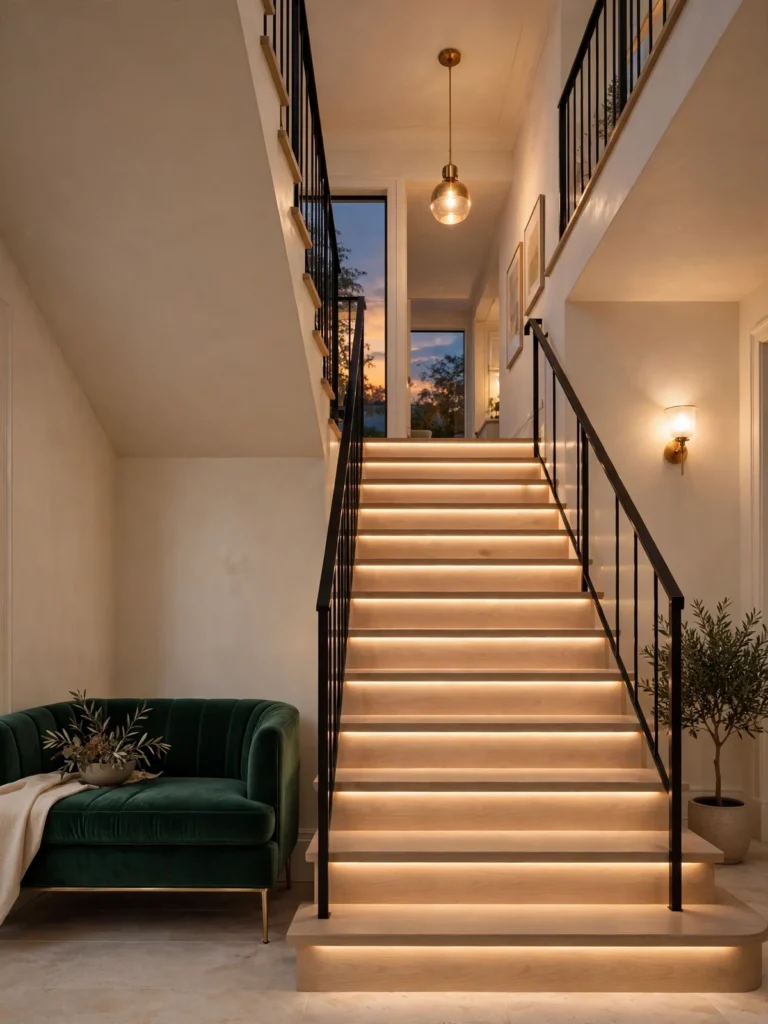
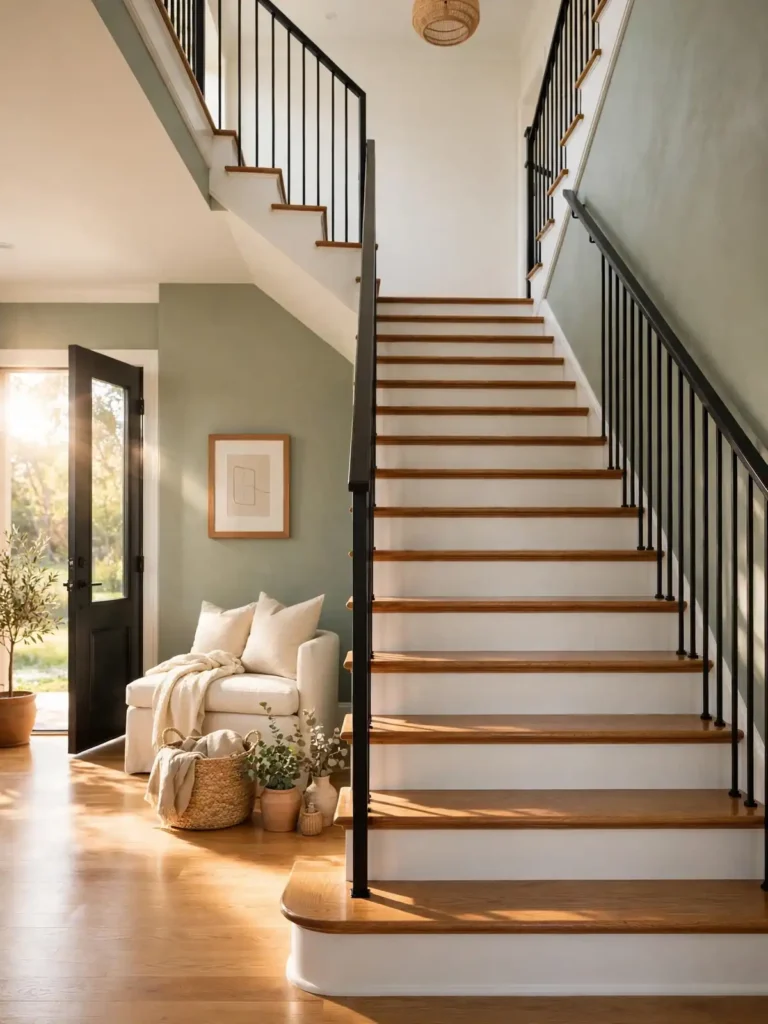
For a lighter, timber-led version of the same thinking, these staircase design ideas show how open risers, slim railings and pale timber keep a stair feeling bright and architectural. The 25 ideas below cover every part of the stair — its risers, its treads, its landing and the wall beside it — so you can choose a tiled stair that suits your home, your budget and the way your family actually lives.
Key Takeaways
What is the best tile for stairs?
Porcelain is the best tile for stairs, because it is hard, dense and far less likely to chip than ceramic. Choose a porcelain tile with a PEI rating of 4 or 5 for floors, a matt or textured finish for grip, and a size that fits the riser height — 150 mm or 200 mm square tiles sit neatly on a standard 175 mm riser with one clean cut.
Are tiled stairs slippery?
A glossy glazed tile on a tread can be slippery, especially in socks or wet shoes, which is why most tiled stairs put the pattern on the risers and keep the treads in timber, stone or a textured tile. If you tile the treads too, choose a matt, textured or anti-slip rated tile — R10 or above — and add a slim nosing strip so every step edge is easy to see and grip.
How much do tiled stairs cost?
Tiling the risers only is the affordable route: a standard flight of 13 risers needs roughly 2 to 3 square metres of tile, so the tile cost is modest and the labour is a day or two. Fully tiled treads and risers, handmade zellige or encaustic tiles, and tiles extended onto the stair wall cost considerably more, because the tiles themselves are dearer and the cutting is slower.
Should I tile the treads or just the risers?
Tile the risers for pattern and keep the treads in timber or stone if you want the safest, warmest result — the pattern still shows from every angle, and the treads stay grippy and comfortable underfoot. Tile the treads as well only when you choose a textured, anti-slip tile and you are happy with a cooler, harder feel, which suits entrance stairs and warm climates best.
How do I clean and maintain tiled stairs?
Glazed tiles need almost no care — a damp mop and a mild cleaner keep them looking new, and the grout is the only part that needs attention. Seal cement encaustic and unglazed terracotta tiles when they are laid and reseal them once a year, clean grout lines with a soft brush, and replace a single chipped riser tile rather than retiling the whole flight.
Patterned Moroccan Tiles on the Risers
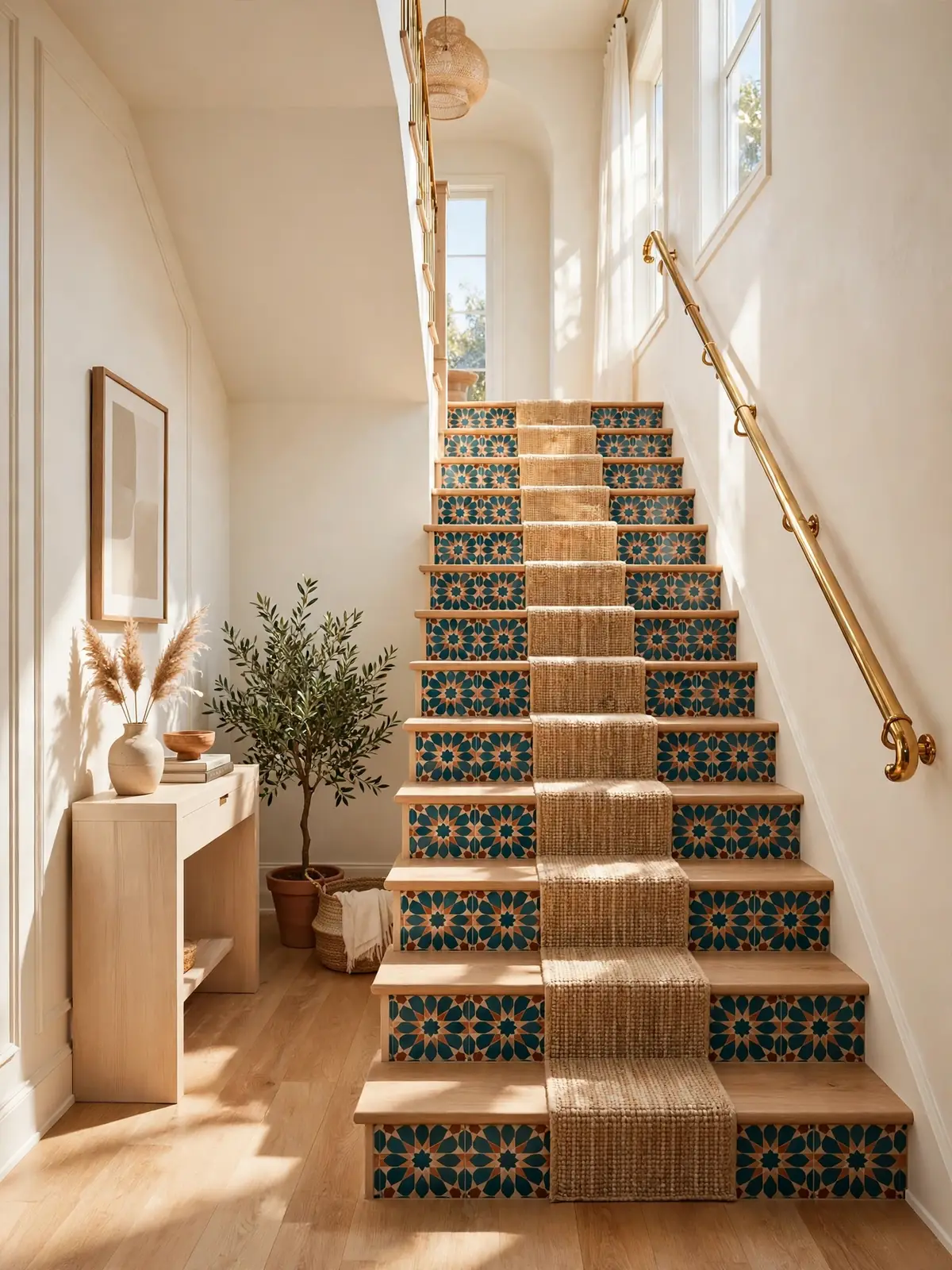
Patterned Moroccan tiles on the risers are the most joyful of all staircase tile designs ideas, because every step becomes a small piece of pattern. On this stair, deep teal and terracotta Moroccan tiles, each 150 mm square, cover every 175 mm riser, while pale oak treads, each 950 mm wide, keep the stair warm above the pattern. Cream walls and a slim brass handrail frame the tiles without competing, and a woven jute runner softens the centre of the flight.
Quick tips:
- Use 150 mm square tiles so one tile fits each riser neatly.
- Repeat one pattern on every riser for rhythm.
- Keep the treads pale oak so the tiles stay the feature.
- Match the handrail to the darkest tile colour for a pulled-together look.
Matte Black Tiles for a Sleek Modern Edge
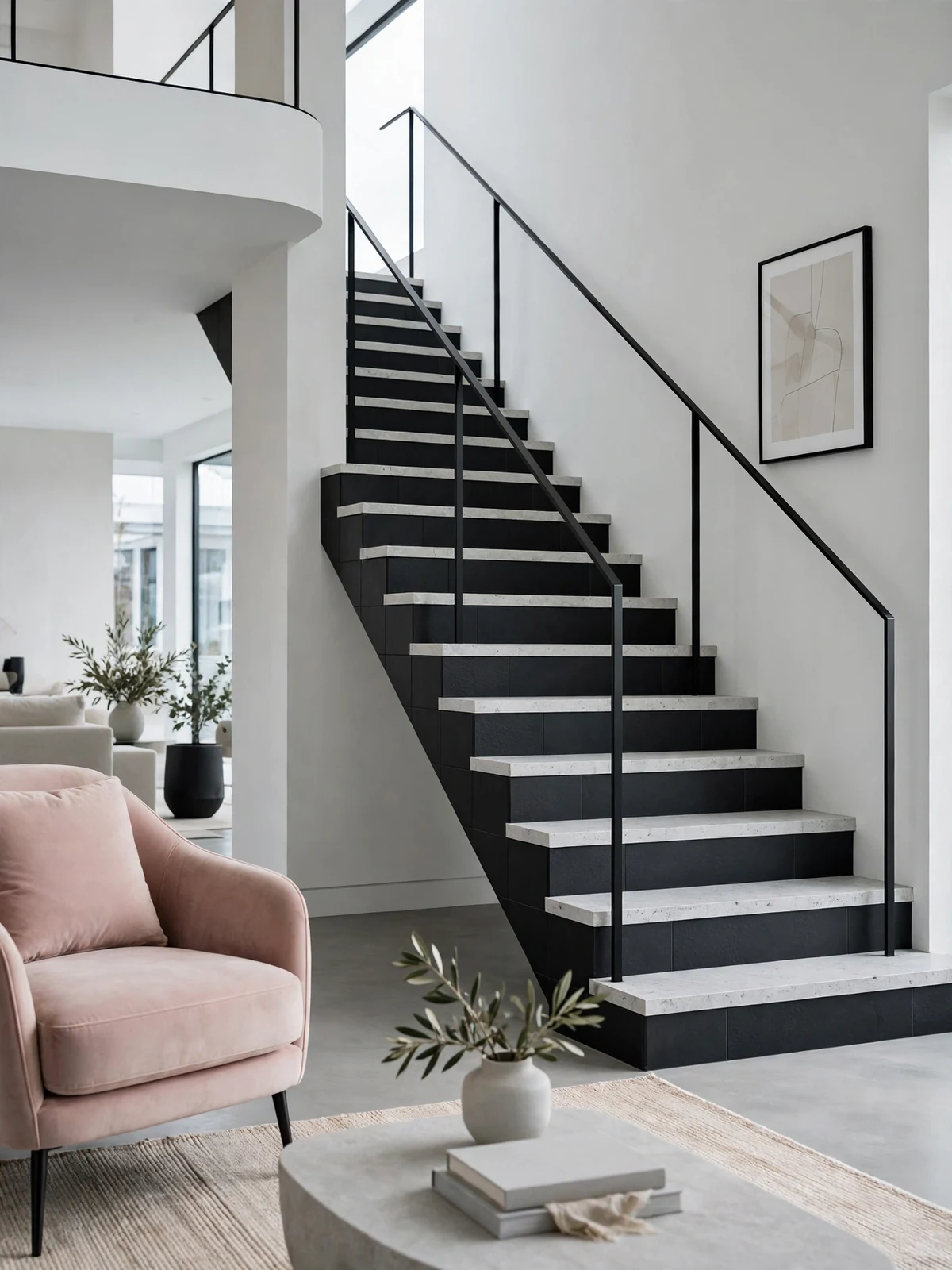
Matte black tiles give a stair a sleek, architectural edge, and the matt finish keeps them practical too — no glare, no visible footprints, no shine to fight. Here, large matt black porcelain tiles, 200 mm by 200 mm, cover the risers beneath pale grey stone treads, each 950 mm wide, with a slim black steel handrail running the full flight. Soft white walls and a blush-pink armchair below keep the room from feeling cold, while the black risers make the pale treads glow.
Quick tips:
- Choose matt porcelain so the black stays soft, not shiny.
- Pair black risers with pale stone or pale timber treads.
- Keep the handrail black steel for one continuous dark line.
- Add one warm accent nearby so the stair never feels cold.
Dark Risers With Light Treads for Contrast
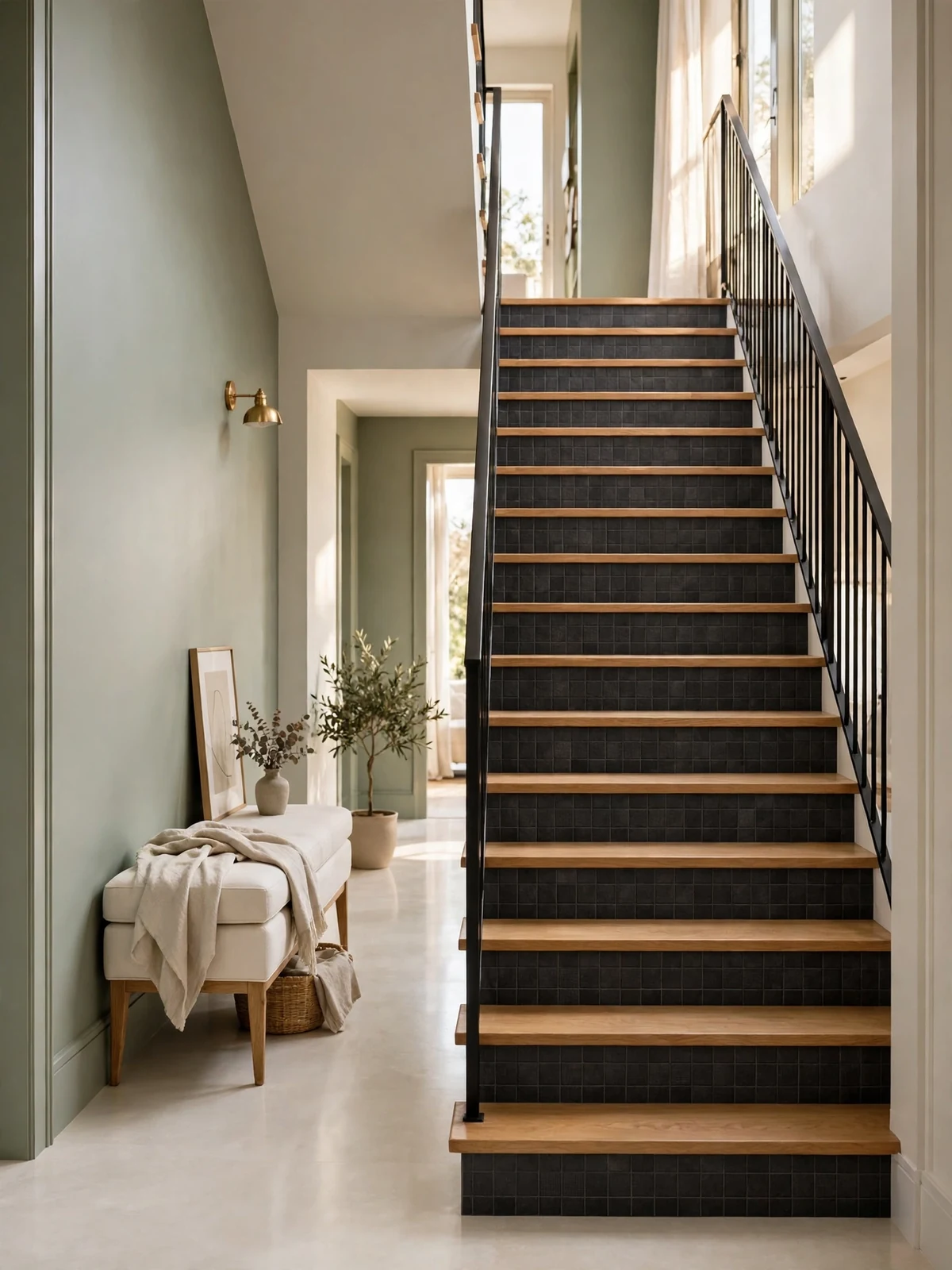
Dark risers with light treads are the simplest contrast in staircase tile designs, and they work in almost any home because the eye reads each step clearly. On this stair, dark charcoal porcelain risers, each 175 mm high, sit beneath light honey oak treads, each 950 mm wide, so every step edge is easy to see. Soft sage-green walls and a cream bench below keep the hallway calm, while a small brass wall light warms the charcoal in the evening.
Quick tips:
- Keep the risers one dark colour and the treads one light timber.
- Use a matt tile so the dark risers never glare.
- Match the wall colour to a soft green or warm grey for balance.
- Add a brass light fitting to warm the dark tiles.
Terrazzo Tiles for a Playful Modern Vibe
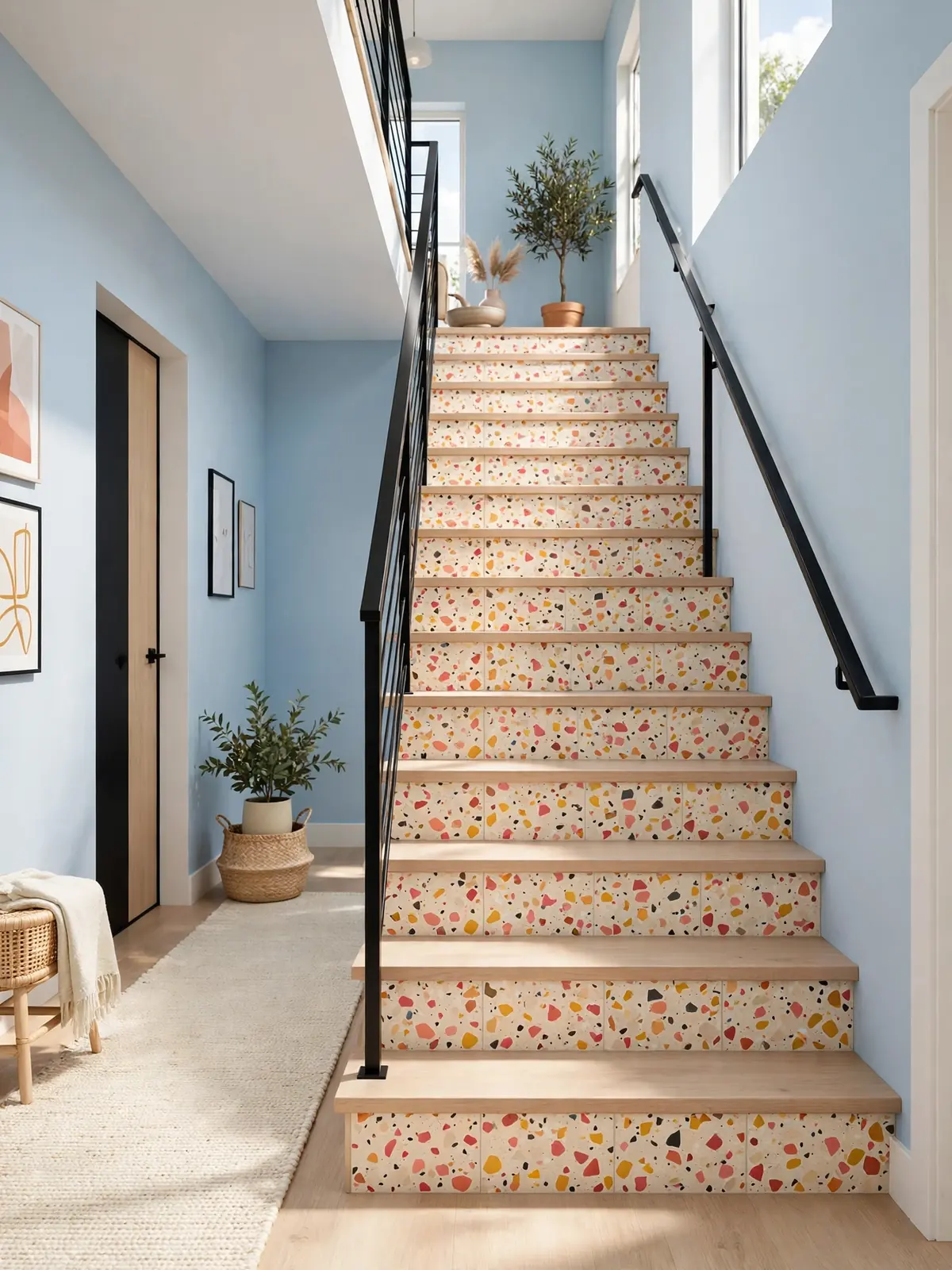
Terrazzo tiles bring a playful, speckled energy to a stair, and the chips of stone in the surface hide scuffs better than any plain tile. Here, cream terrazzo tiles flecked with coral, mustard and pale grey cover each riser, while pale ash treads, each 900 mm wide, keep the stair light above the speckle. Soft sky-blue walls and a cream rug below pick up the terrazzo colours, and a slim black handrail draws the eye upward through the pattern.
Quick tips:
- Choose a terrazzo with a cream base so the speckle stays soft.
- Keep the treads pale ash so the risers carry the colour.
- Match one terrazzo fleck colour to the wall.
- Seal terrazzo tiles so the surface stays easy to wipe clean.
Soft Beige Stone Tiles for a Calming Look
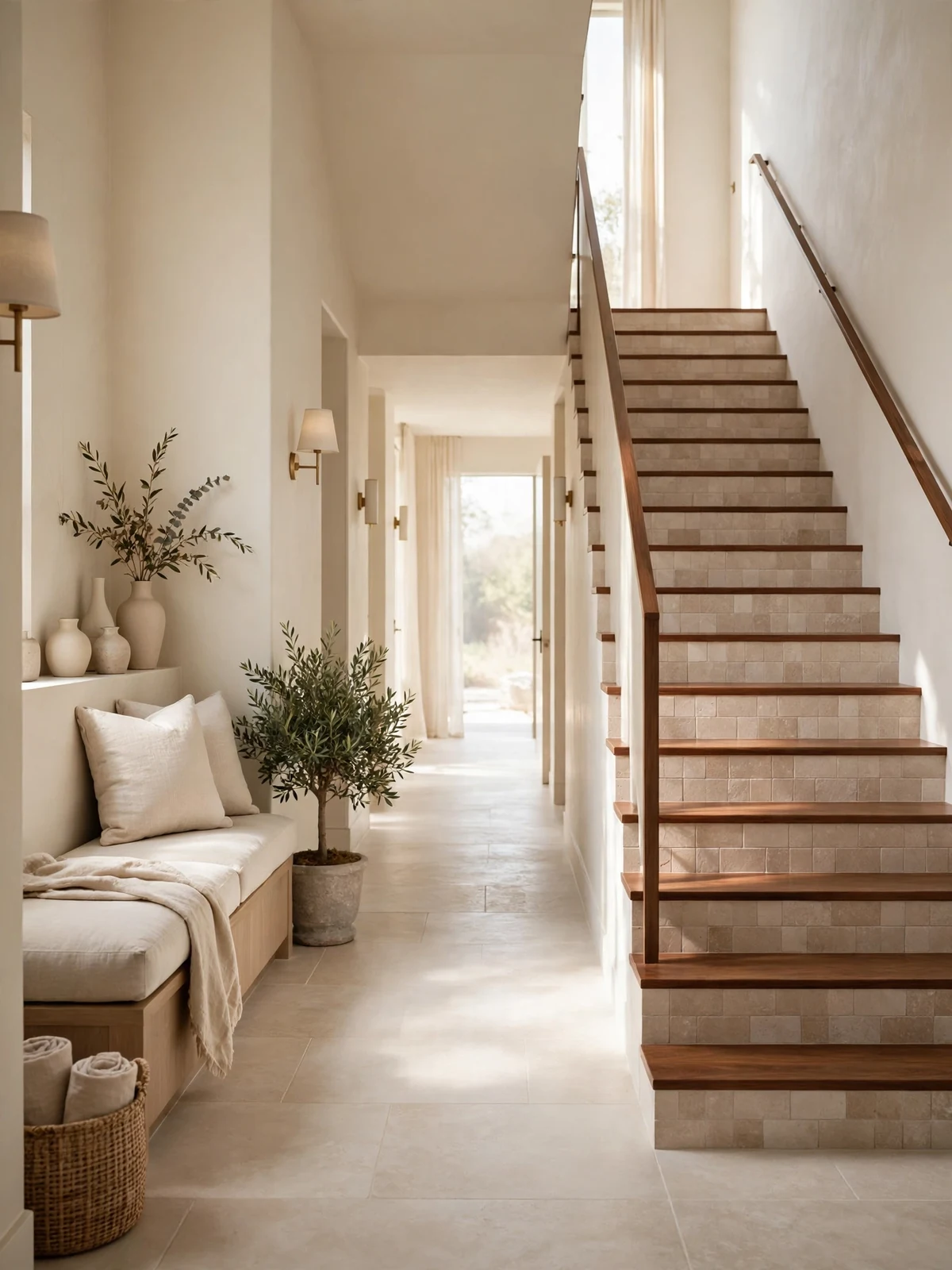
Soft beige stone tiles calm a stair down completely, and their gentle veining makes every riser feel like a piece of natural stone rather than a manufactured tile. On this stair, beige limestone-look porcelain tiles, 200 mm by 200 mm, cover the risers beneath warm walnut treads, each 950 mm wide, with a pale stone floor continuing the same tones at the base. Cream walls and linen bench cushions keep the hallway soft, and the whole stair feels quiet, warm and unhurried.
Quick tips:
- Choose a beige stone-look porcelain for warmth without the upkeep of real stone.
- Pair beige risers with warm walnut treads.
- Keep the walls cream so the stone tones stay the feature.
- Use a grout colour close to the tile so the joints disappear.
Blue Mediterranean Tiles for Coastal Charm
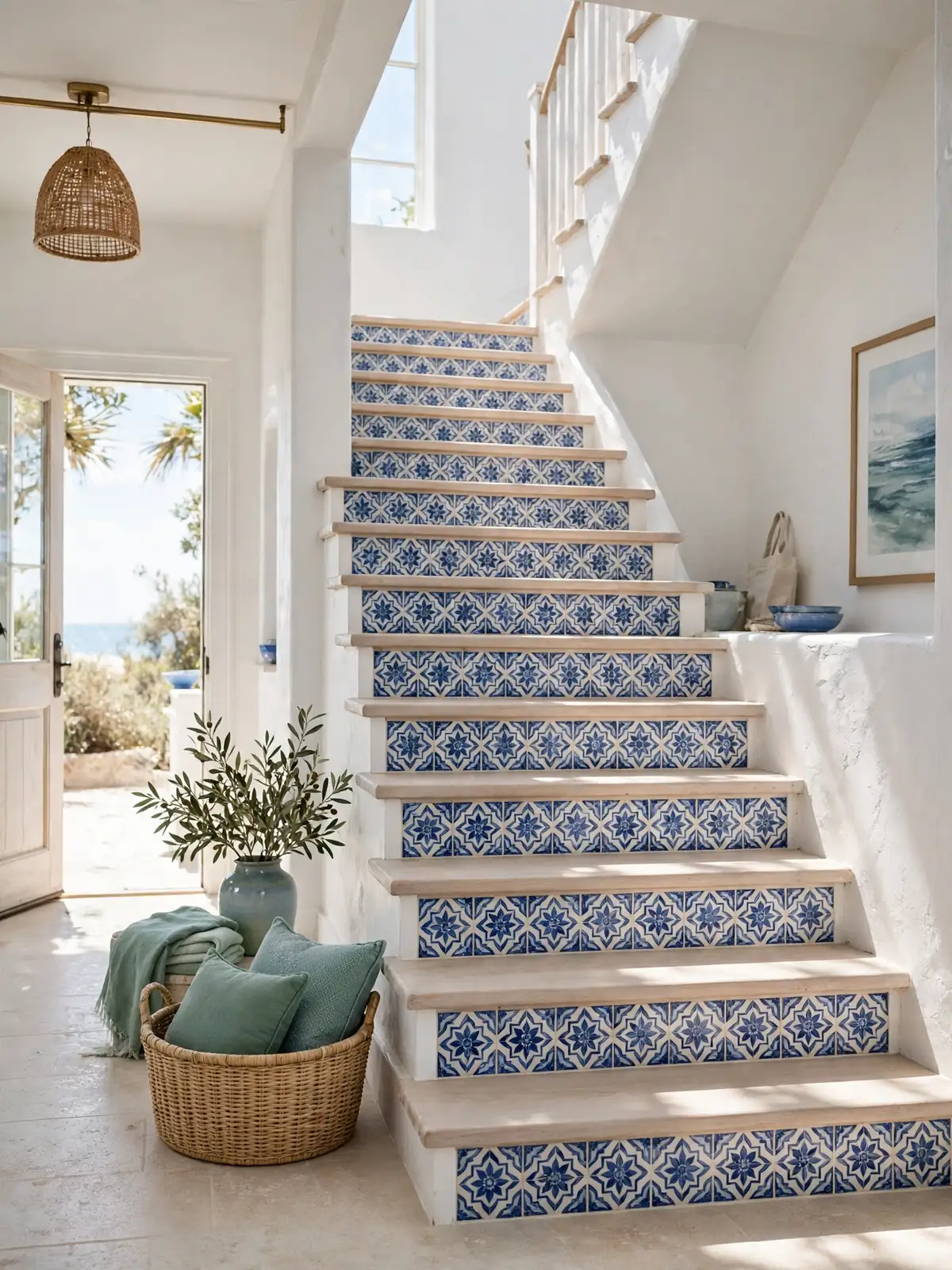
Blue Mediterranean tiles bring the coast indoors, and a stair covered in them feels like a holiday every time you climb it. Here, patterned tiles in cobalt, sky blue and white, each 150 mm square, cover the risers, while pale whitewashed timber treads, each 950 mm wide, keep the stair light and beachy. White walls, a rattan basket at the base and sea-glass green cushions pick up the blues, and sunny daylight makes the pattern crisp from the bottom of the flight to the top.
Quick tips:
- Mix two or three blue patterns rather than one repeated tile.
- Keep the treads whitewashed timber for a coastal feel.
- Use a white grout so the blue pattern stays bright.
- Add rattan or natural fibre nearby to warm the blues.
Geometric Tiles for a Bold Contemporary Statement
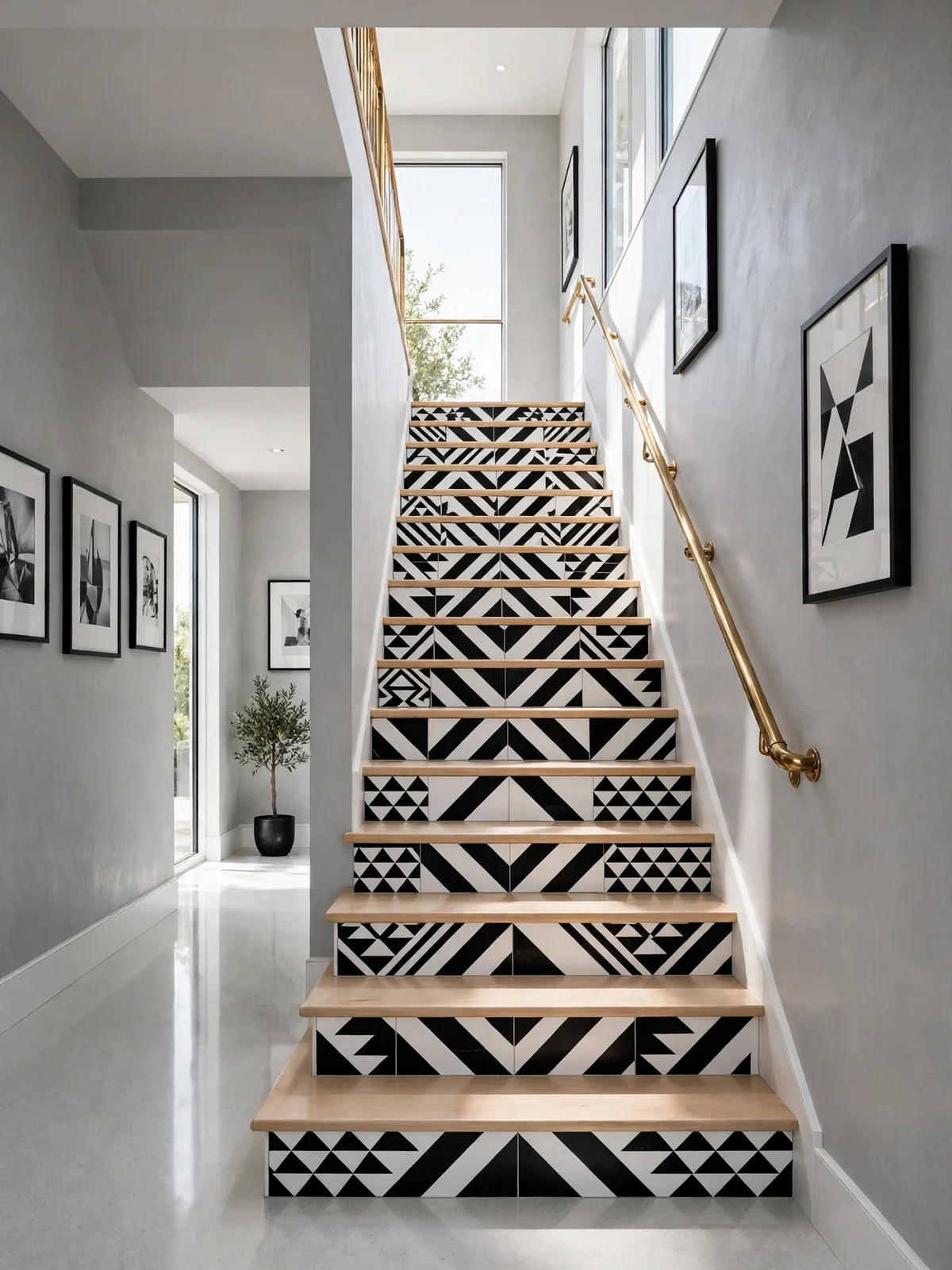
Geometric tiles turn a stair into a graphic statement, and the bold shapes make even a plain hallway feel designed. On this stair, black and white geometric tiles — triangles and diamonds in a 200 mm square format — cover each riser, while pale maple treads, each 950 mm wide, soften the graphic pattern above. Soft dove-grey walls and a slim brass handrail frame the geometry, and a monochrome artwork on the landing echoes the tile shapes.
Quick tips:
- Choose one geometric pattern and repeat it exactly on every riser.
- Keep the treads pale so the graphic tiles stay the star.
- Use a brass handrail to warm the black and white.
- Echo one tile shape in a picture or cushion nearby.
Tiles That Flow From Hallway Floor Onto the Stair
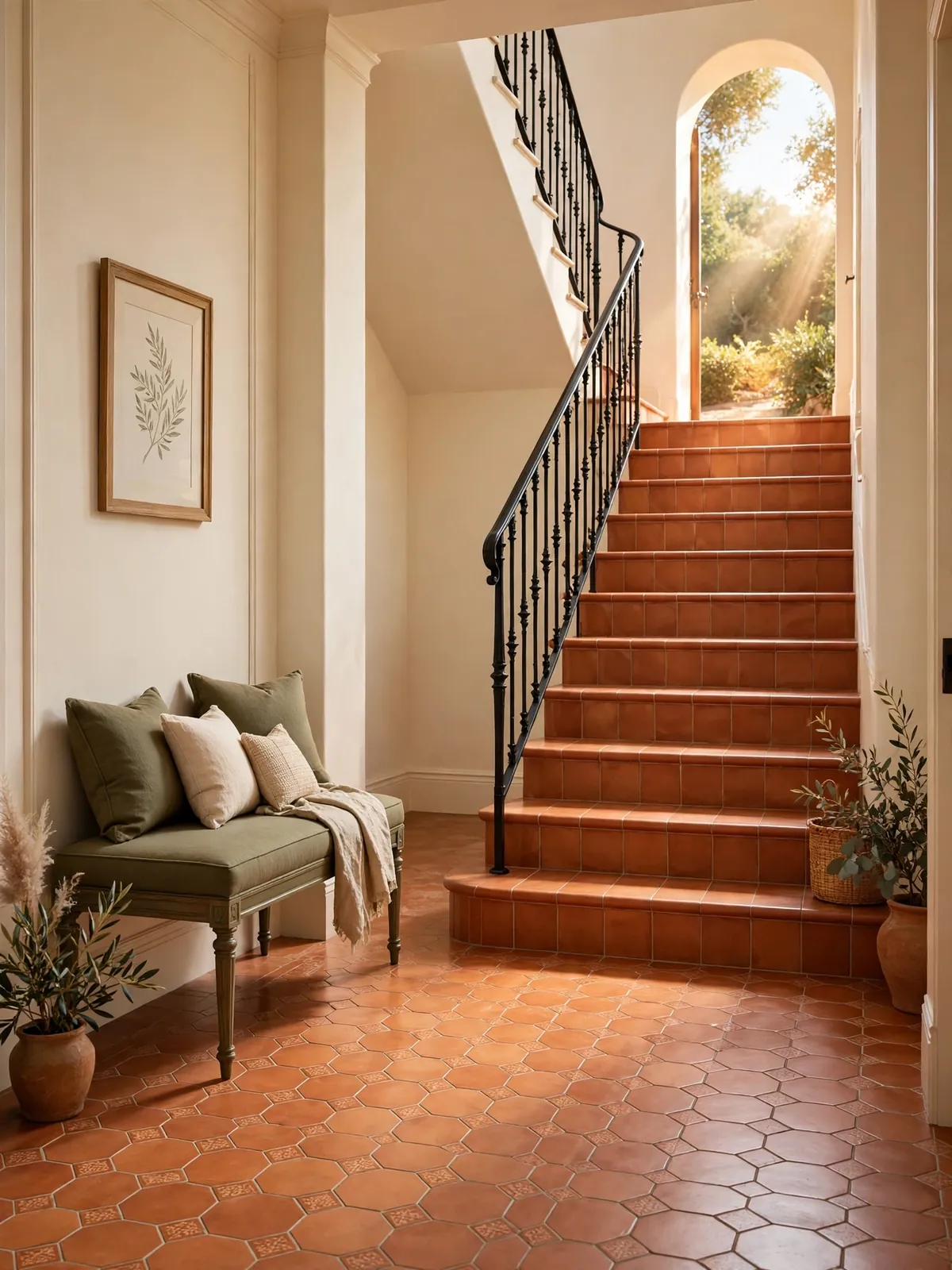
When the hallway floor tile flows straight onto the stair, the whole ground floor reads as one continuous surface, and the stair stops looking like an afterthought. Here, warm terracotta floor tiles, 300 mm by 300 mm, run from the hallway floor up across the treads and risers, with a slim black iron handrail above and cream walls keeping the terracotta warm rather than heavy. An olive-green bench at the base picks up the earthy tones, and the unbroken tile line makes a small hallway feel longer.
Quick tips:
- Use the same tile on the floor and the stair for one unbroken line.
- Choose a textured finish for the stair treads for grip.
- Keep the walls cream so the terracotta stays warm.
- Match the handrail to a dark tone in the tile.
Textured Anti-Slip Tiles Without Losing Style
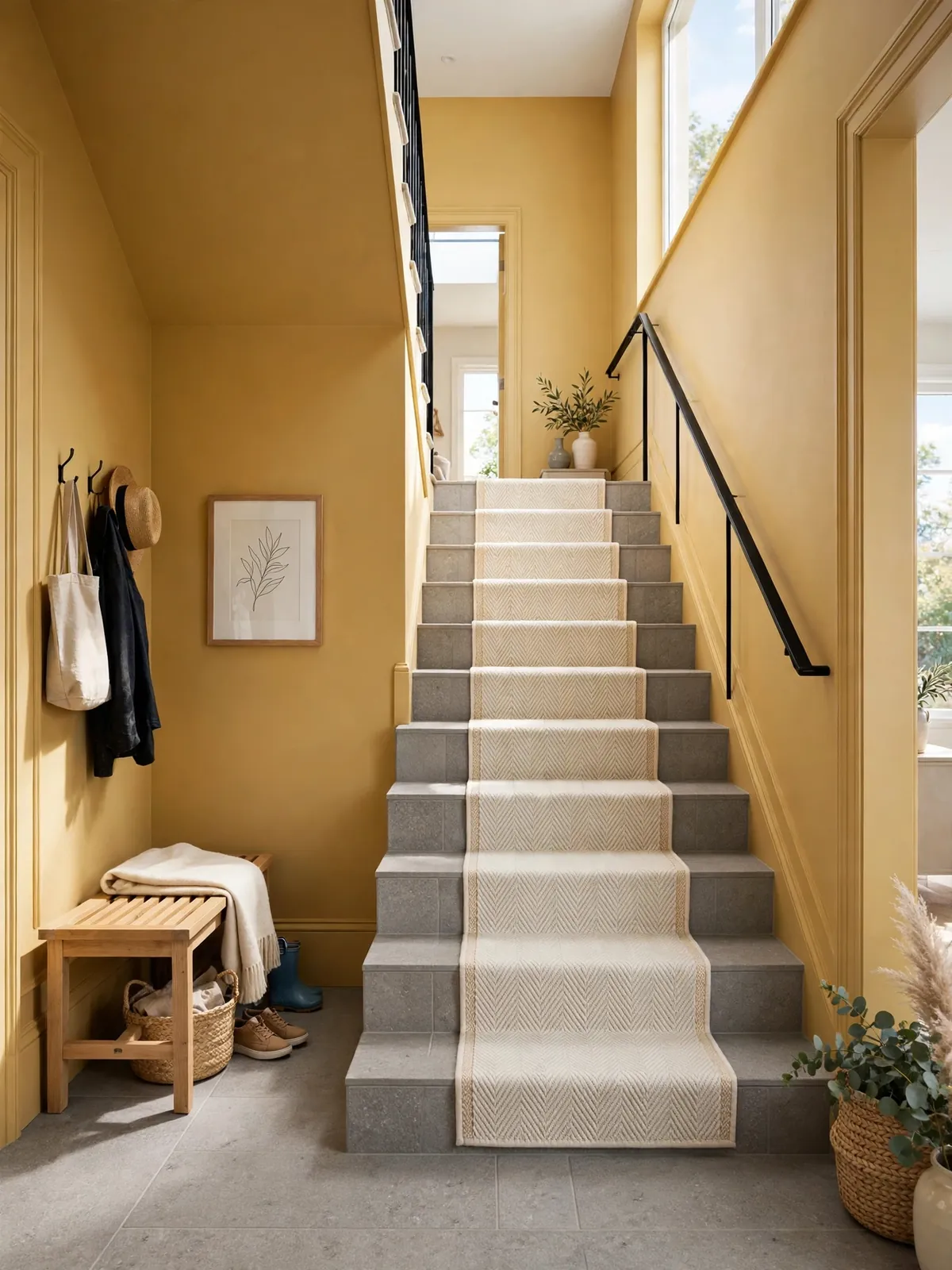
Textured anti-slip tiles prove that a safe stair can still be a beautiful one, because the texture reads as stone rather than as a safety feature. On this stair, soft grey stone-look porcelain tiles with a fine ridged texture, rated R10 for slip resistance, cover both treads and risers, each tread 950 mm wide with a slim nosing strip. Warm mustard-yellow walls and a cream runner soften the grey, while a wooden bench at the base makes the hallway feel like a family space, not a public building.
Quick tips:
- Choose a tile rated R10 or above for the treads.
- Pick a stone-look texture so the grip reads as design.
- Add a slim nosing strip so every step edge is clear.
- Keep the walls warm so grey tiles never feel cold.
Patterned Risers With Minimalist Treads
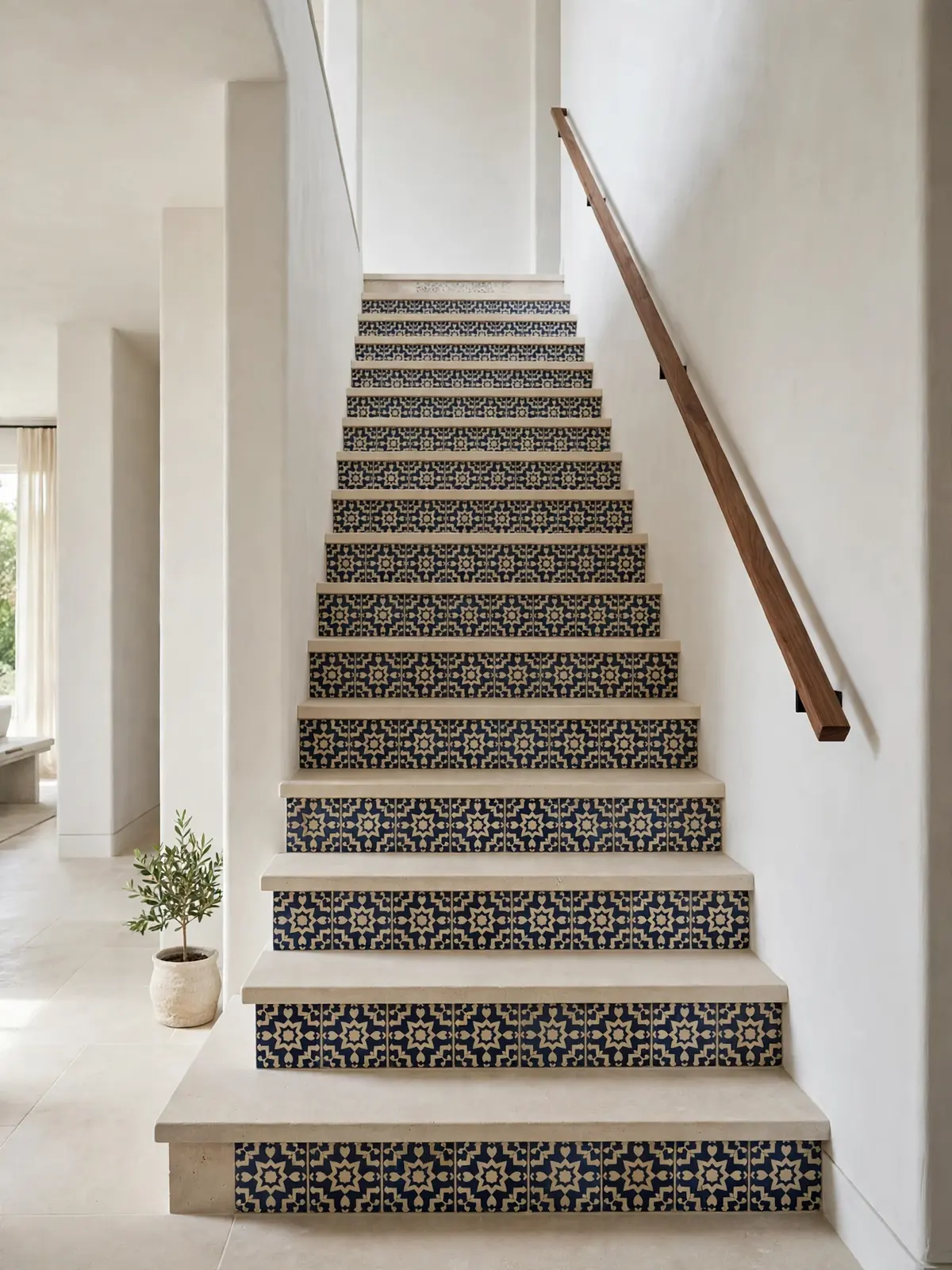
Patterned risers with minimalist treads are the most balanced of all staircase tile designs, because the pattern gets the full stage while the treads stay quiet. Here, indigo and cream encaustic-style tiles, each 150 mm square, cover the risers, while plain pale stone treads, each 950 mm wide, sit above them with no pattern at all. Soft white walls and a walnut handrail keep the palette warm, and a small green plant at the base adds one living accent against the cool indigo.
Quick tips:
- Let the risers carry all the pattern and keep the treads plain.
- Choose a pale stone tread so the patterned risers glow.
- Use a walnut handrail to warm the cool tile colours.
- Seal encaustic-style tiles so the pattern stays vivid.
Marble-Look Tiles Extended Onto the Stair Wall
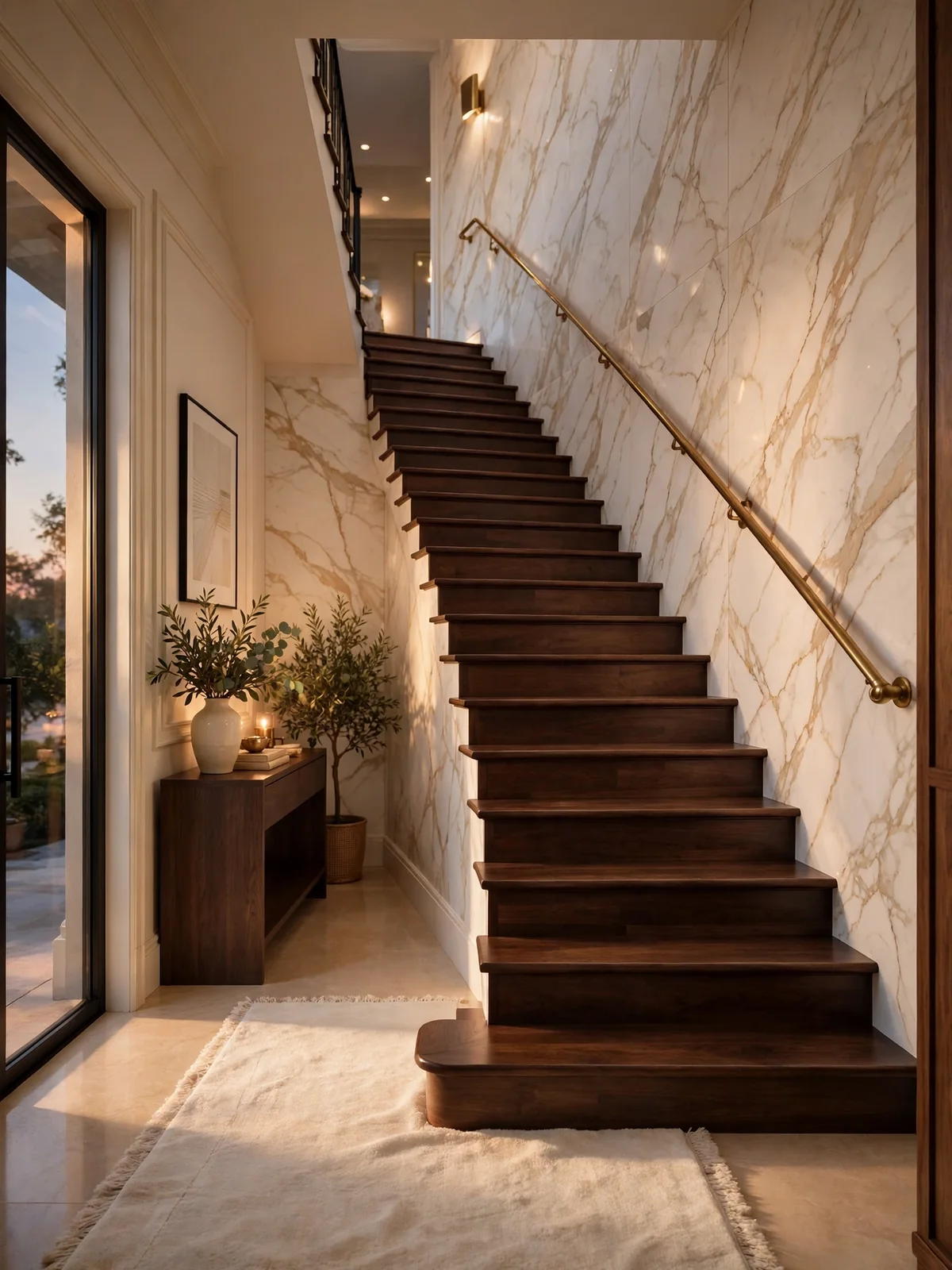
Extending marble-look tiles from the risers onto the stair wall turns a tiled stair into a luxurious panelled feature, and the veining carries the eye upward like a piece of art. On this stair, white marble-look porcelain tiles with soft gold veining, 300 mm by 600 mm, cover the risers and continue up the wall in a full-height panel, while dark walnut treads, each 950 mm wide, ground the marble. A slim brass handrail follows the veining upward, and a cream rug below softens the marble’s cool shine.
Quick tips:
- Use large-format marble-look tiles on the wall so the veining flows.
- Keep the treads dark walnut for contrast against white marble.
- Match the handrail to the gold veining in the tile.
- Seal the grout so the white marble-look stays bright.
Warm Greige Tiles for a Family Home
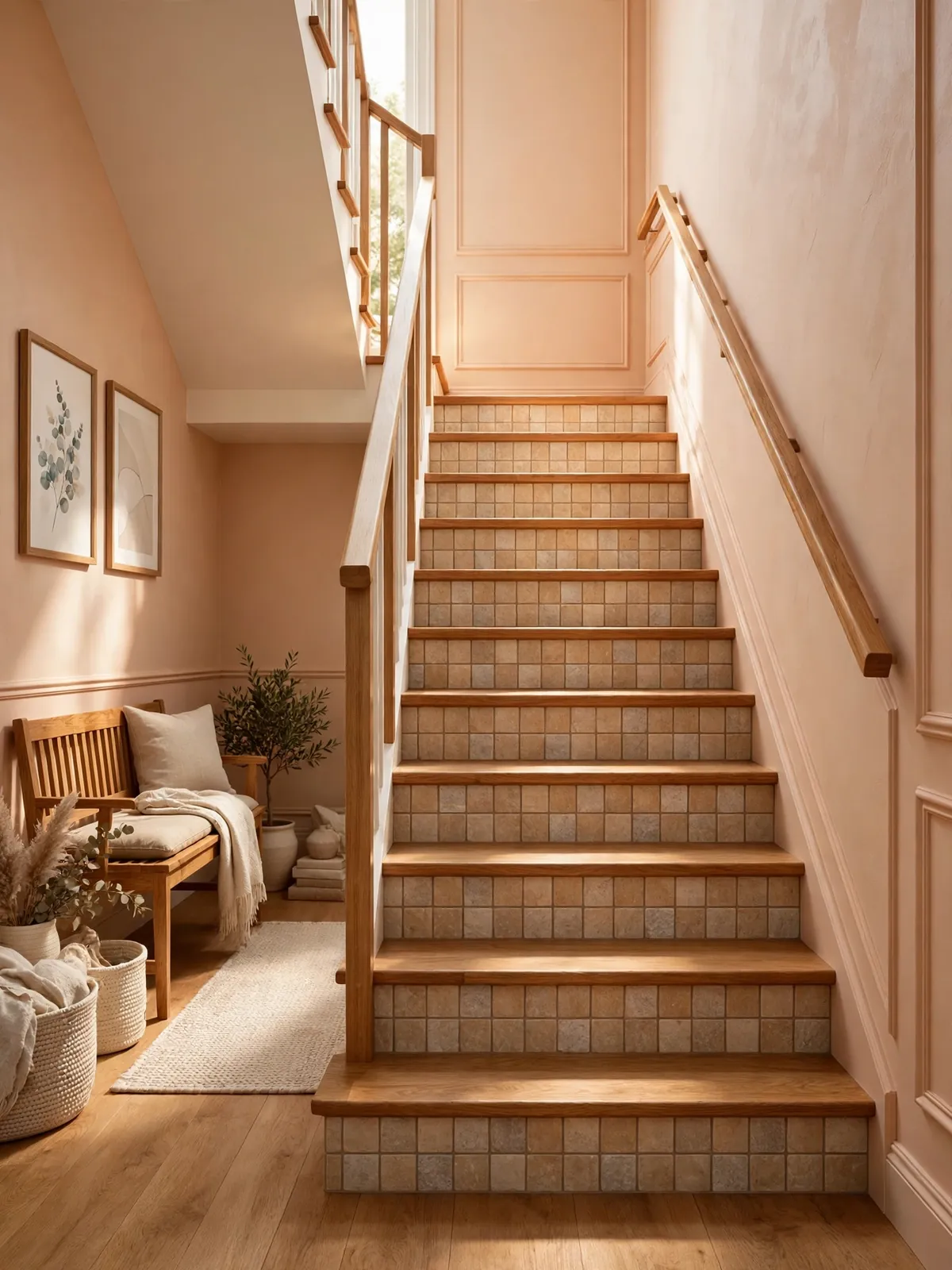
Warm greige tiles — that soft mix of grey and beige — are the family-home answer to staircase tile designs, because they hide dust, suit every colour around them and never date. Here, warm greige porcelain tiles, 200 mm by 200 mm, cover the risers beneath honey oak treads, each 950 mm wide, with a slim white handrail above. Soft peach walls and cream baskets on a wooden bench keep the hallway warm, and the greige tiles tie the timber, the peach and the cream together without a single clash.
Quick tips:
- Choose a warm greige, not a cold grey, for a family hallway.
- Pair greige risers with honey oak treads.
- Keep the walls soft peach or warm cream.
- Use a grout close to the tile colour for a calm, seamless look.
Vintage Encaustic Tiles for Old-World Personality
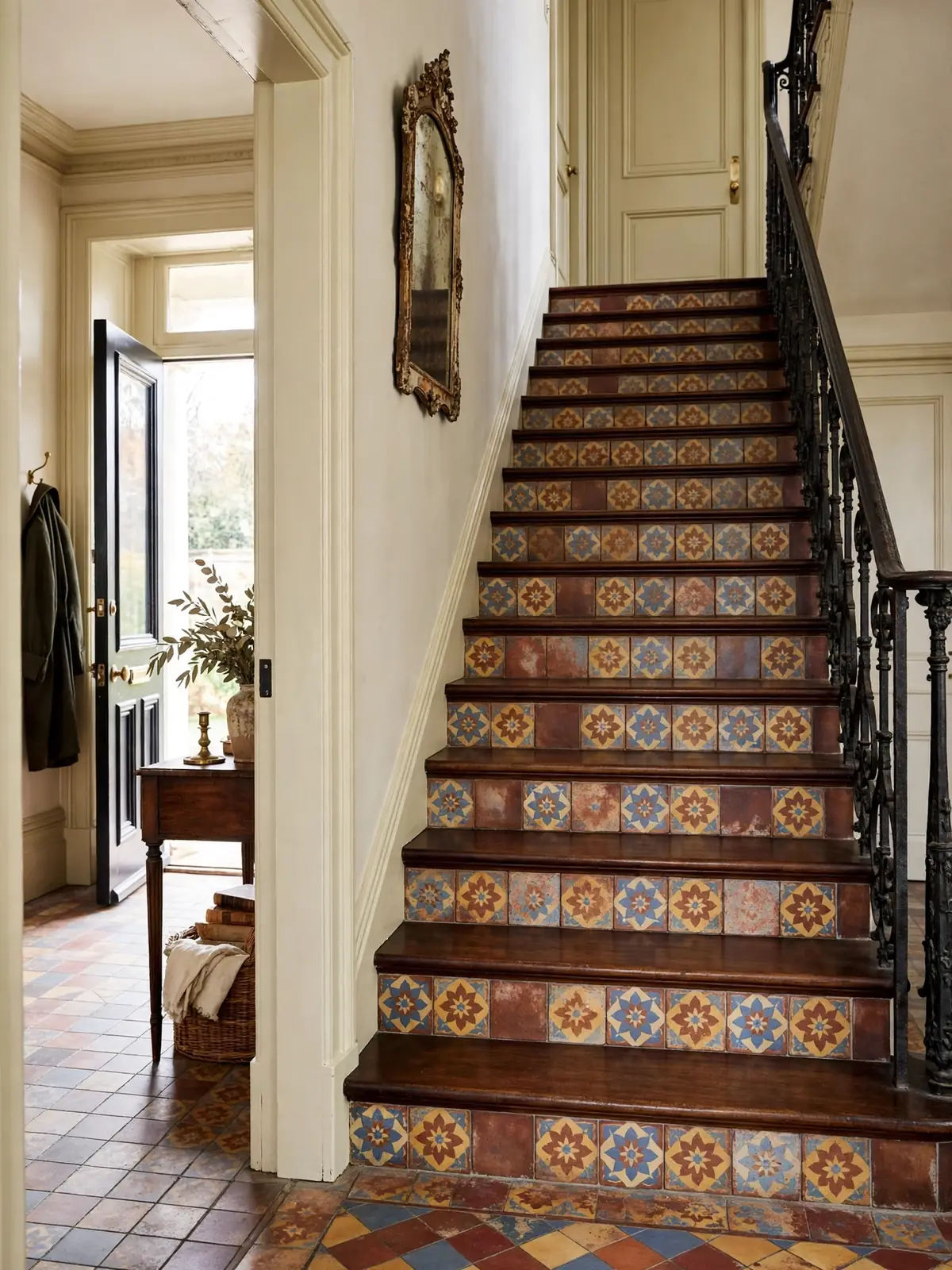
Vintage encaustic tiles give a stair old-world personality that no new tile can fake, because every tile carries a slightly faded, handmade pattern. On this stair, encaustic tiles in faded rust, ochre and dusty blue, each 200 mm square, cover the risers beneath dark walnut treads, each 950 mm wide, with a slim black iron handrail above. Cream walls and an antique mirror on the landing let the tiles carry all the character, and the worn pattern feels like it has always belonged in the house.
Quick tips:
- Seal encaustic tiles on laying and reseal once a year.
- Pair vintage tiles with dark walnut treads for period warmth.
- Keep the walls cream so the tile colours stay the feature.
- Use a black iron handrail to suit the old-world feel.
Contrasting Border Tiles That Frame Each Step
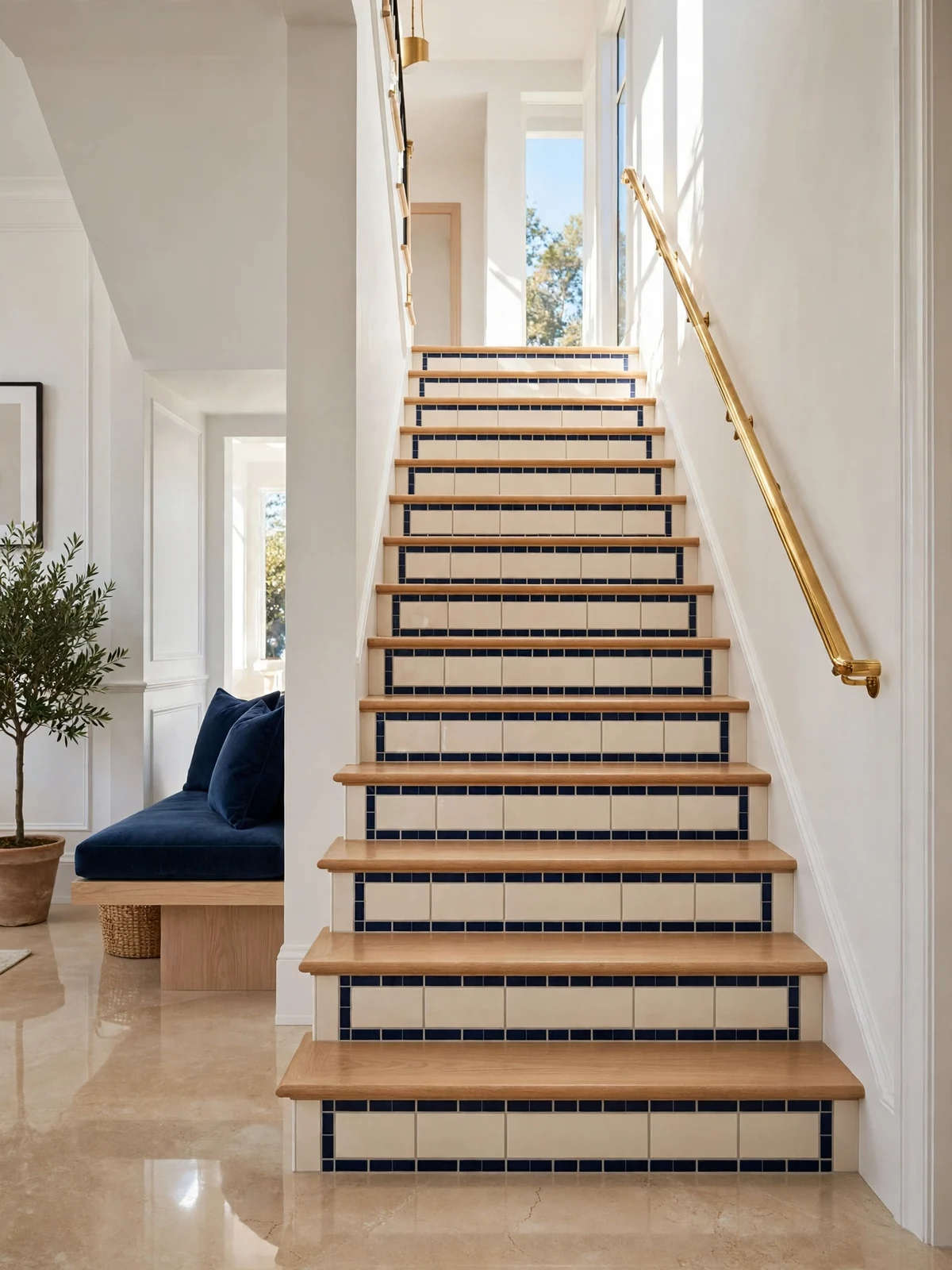
A contrasting border tile frames each step like a picture frame, and the thin line of colour makes the whole stair look tailored rather than tiled. Here, a slim navy border tile, 50 mm high, runs along the top and bottom edge of every cream riser, while pale oak treads, each 950 mm wide, sit above. Soft white walls and a brass handrail keep the look crisp, and navy bench cushions at the base echo the border colour exactly.
Quick tips:
- Keep the border slim — about 50 mm — so it frames, not overwhelms.
- Use one strong border colour, such as navy or forest green.
- Keep the main riser tile plain cream or white.
- Echo the border colour in a cushion or bench nearby.
Muted Pastel Tiles in Blush, Sage and Dusty Blue
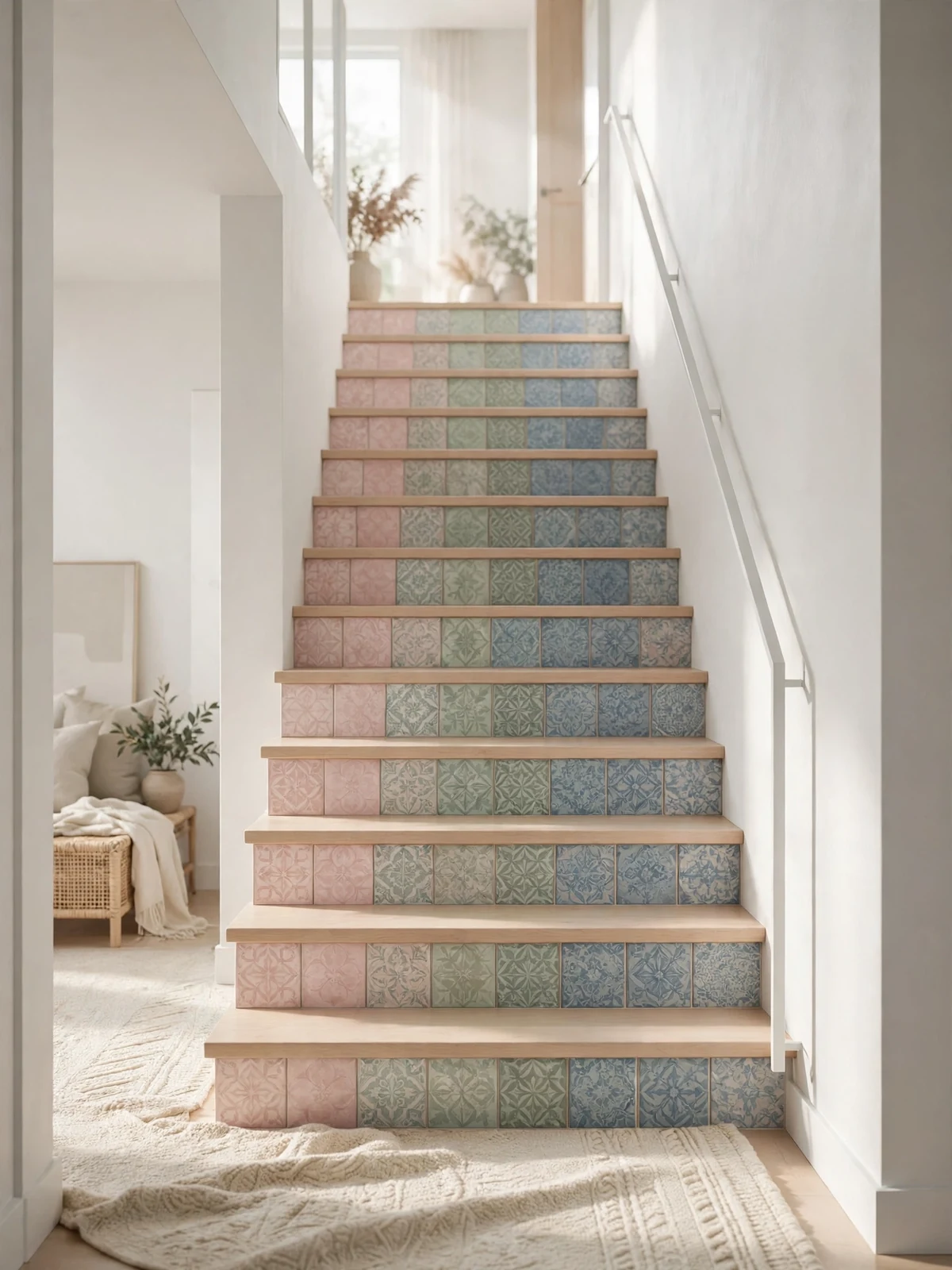
Muted pastel tiles in blush, sage and dusty blue make a stair feel soft, dreamy and gentle, and because the colours are muted they work in a grown-up home as well as a child’s room. On this stair, pastel tiles alternate gently — blush, then sage, then dusty blue — across the risers, each 150 mm square, while pale birch treads, each 900 mm wide, keep the stair light. White walls and a slim white handrail let the pastels breathe, and a cream rug below softens the whole flight.
Quick tips:
- Alternate three muted pastels rather than one flat colour.
- Keep the treads pale birch so the pastels stay soft.
- Use a white grout so the pastel colours stay clean.
- Keep the handrail white so nothing competes with the tiles.
Custom Artistic Tiles That Turn the Stair Into Art
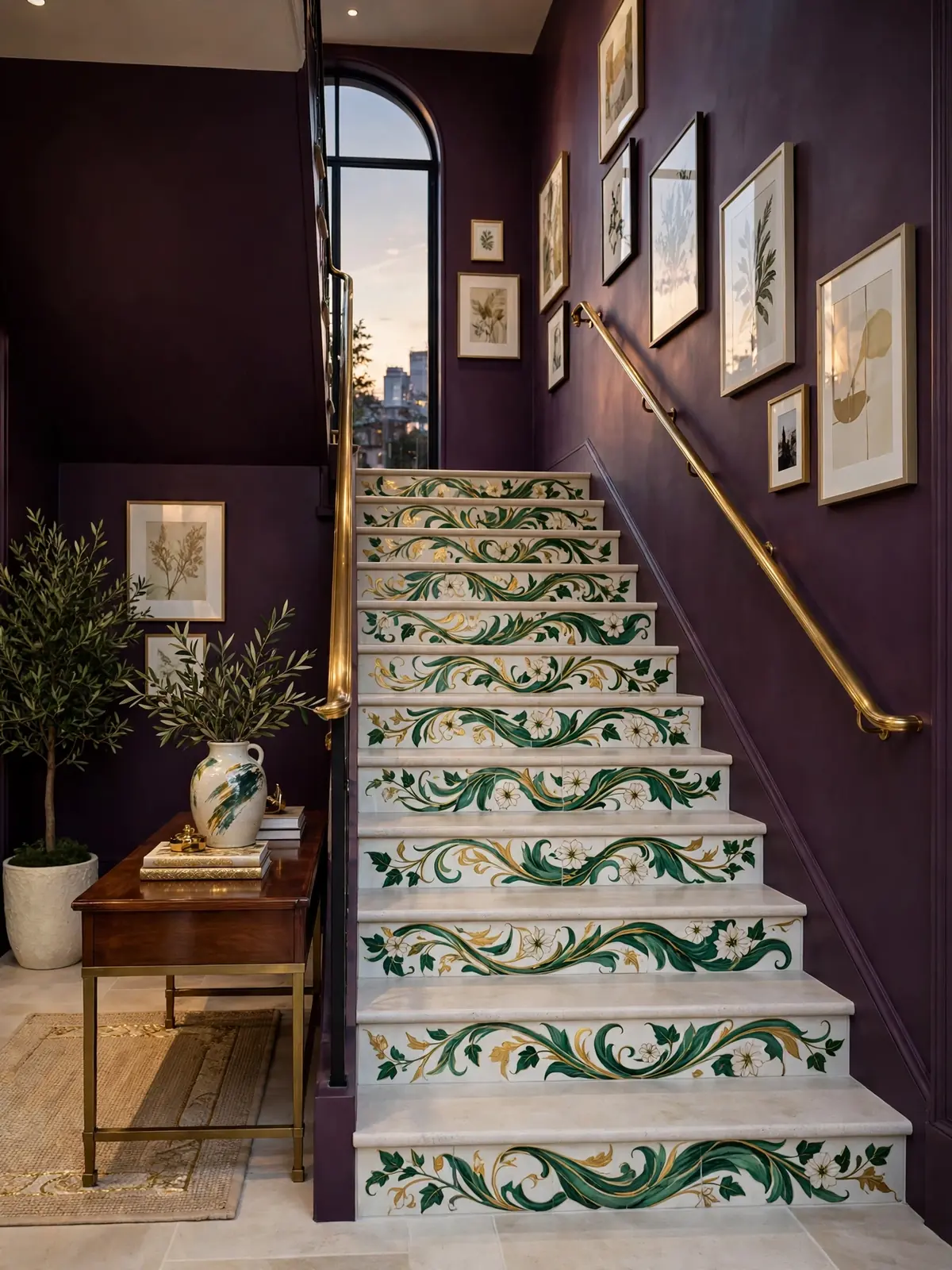
Custom artistic tiles turn a staircase into a piece of art you climb, because the pattern flows from riser to riser like a mural. Here, hand-painted tiles in emerald, gold and ivory, each 200 mm square, form one continuous flowing design across the risers, while pale stone treads, each 950 mm wide, stay plain so the art carries the stair. Deep plum walls and a brass handrail frame the artwork, and soft evening light makes the gold in the tiles glow gently as you climb.
Quick tips:
- Commission one continuous design across all the risers.
- Keep the treads plain pale stone so the art stays the star.
- Use a brass handrail to pick up the gold in the tiles.
- Photograph the design before laying so the order is exact.
Mosaic Tile Risers for Small-Scale Detail
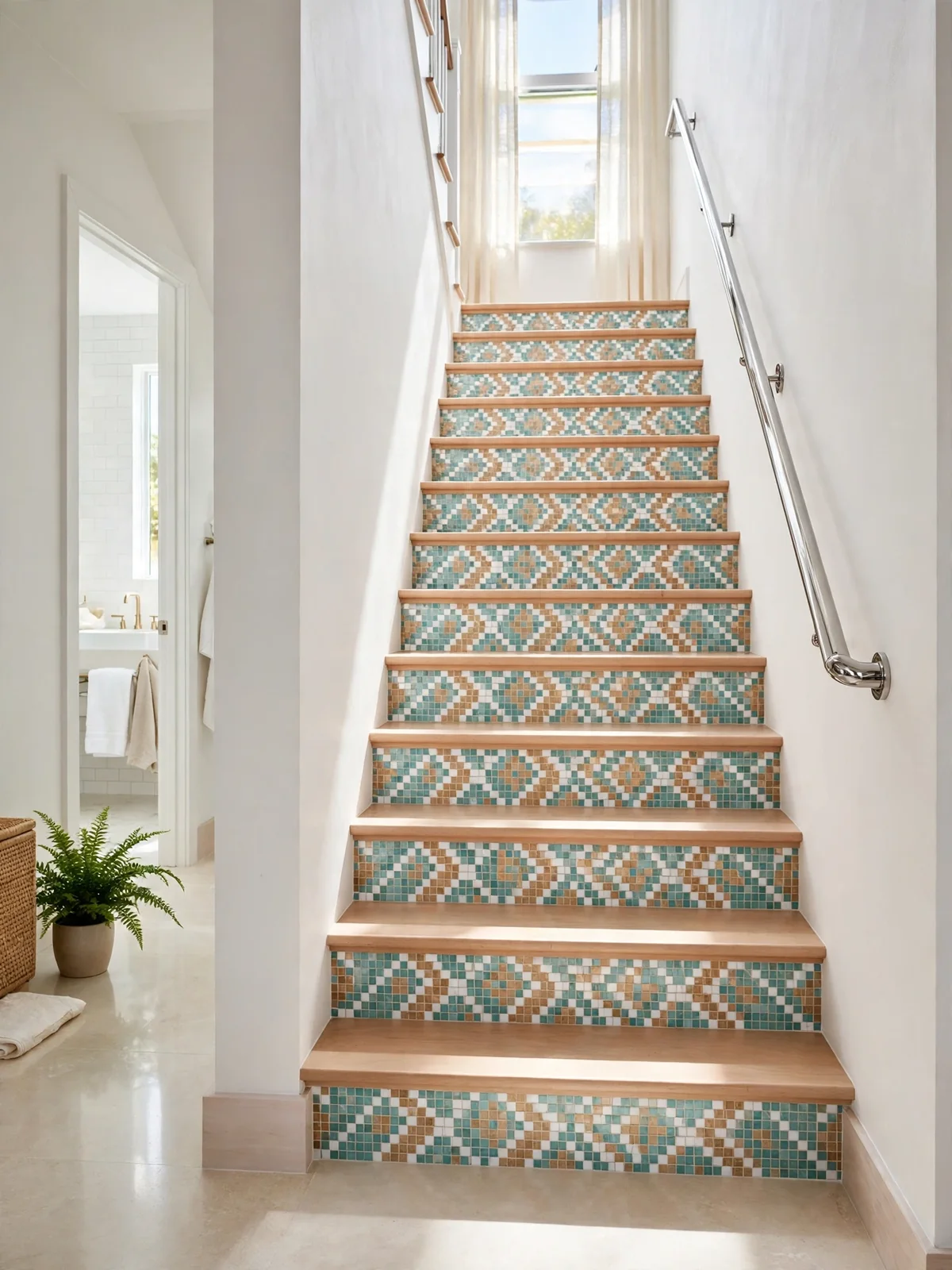
Mosaic tiles bring small-scale detail to a stair, and the tiny squares catch the light differently on every step. On this stair, mosaic tiles in aqua, white and sand, each sheet 300 mm by 300 mm of 25 mm squares, cover the risers beneath pale teak treads, each 900 mm wide. Soft white walls and a slim chrome handrail keep the look fresh, while a small potted fern at the base picks up the aqua in the mosaic.
Quick tips:
- Use mosaic sheets so the small squares lay quickly and evenly.
- Keep the mosaic palette to three colours at most.
- Pair mosaic risers with pale teak or pale oak treads.
- Seal the grout well — mosaic has more grout lines than large tiles.
Glossy Glazed Tiles That Bounce the Light
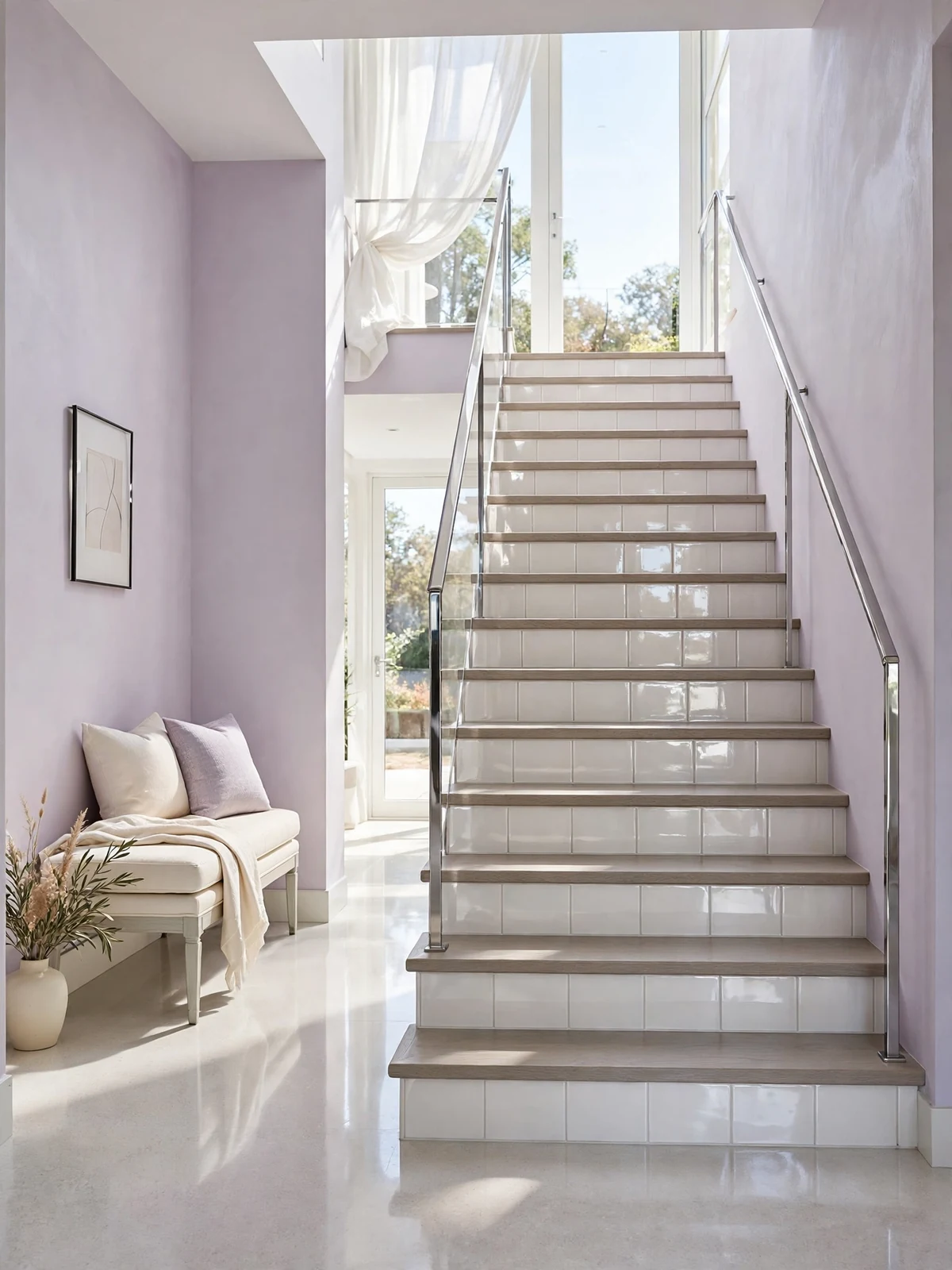
Glossy glazed tiles bounce light around a dark hallway, and their shine makes even a small stair feel brighter and more open. Here, glossy pearl-white glazed tiles, 150 mm by 150 mm, cover the risers, reflecting daylight from the landing window down the flight, while pale grey oak treads, each 950 mm wide, keep the stair grounded. Soft lavender walls and a slim chrome handrail pick up the glossy shine, and a cream bench below catches the reflected light.
Quick tips:
- Use glossy tiles on the risers only, never on the treads.
- Choose a pale glaze — pearl white or soft cream — for maximum light.
- Keep the treads pale grey oak so the shine stays balanced.
- Wipe glossy risers often so the shine stays crisp.
Hand-Painted Tiles in Blue and White
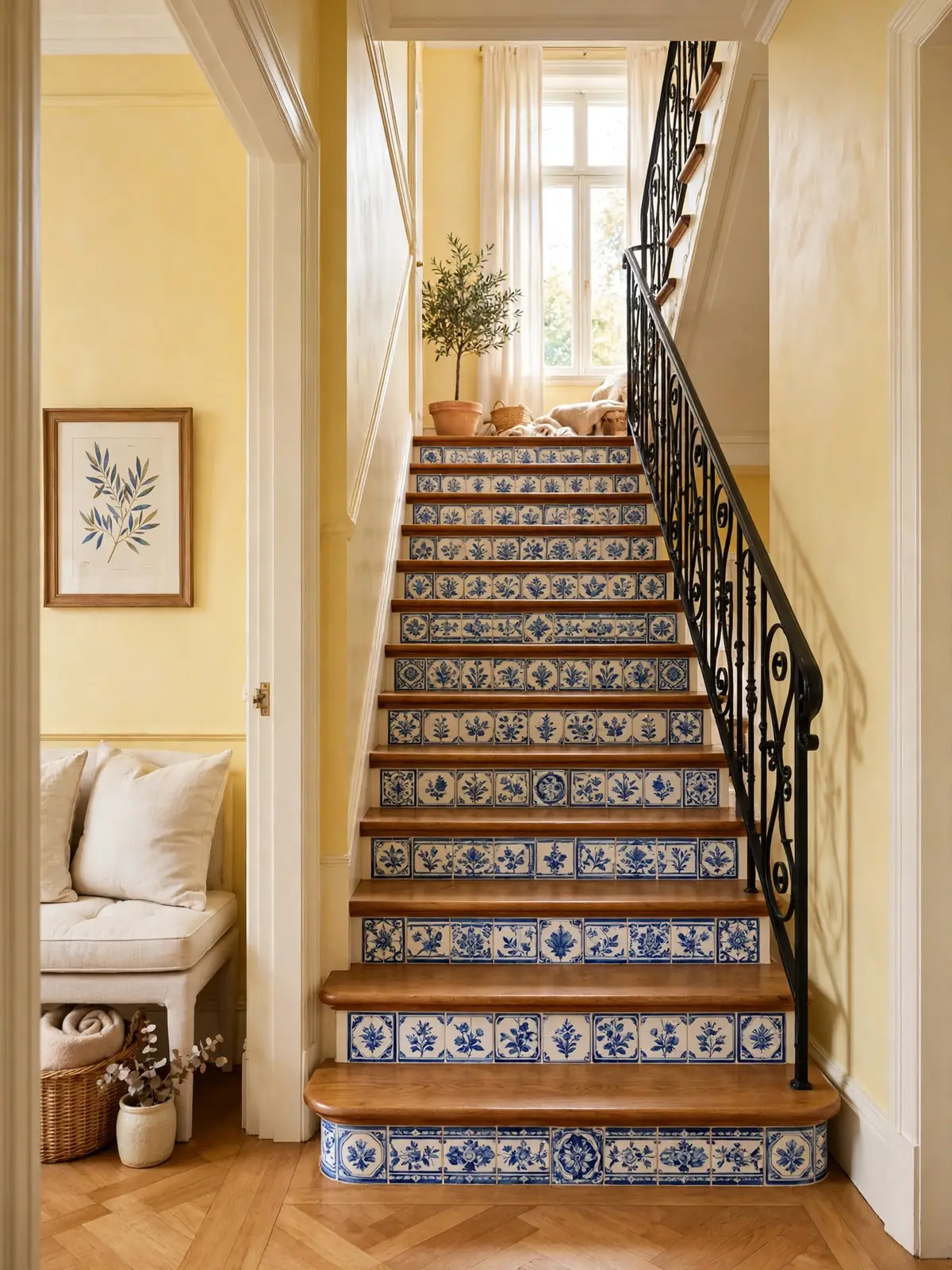
Hand-painted blue and white tiles are the classic staircase tile design, and their slight imperfections are exactly what makes them charming. On this stair, hand-painted tiles in cobalt and white, each 150 mm square, cover the risers in a gentle repeating pattern, while warm oak treads, each 950 mm wide, keep the stair warm above the cool blue. Soft butter-yellow walls and a cream bench below warm the blue, and a slim black iron handrail frames the pattern without competing.
Quick tips:
- Choose a hand-painted tile so no two risers are exactly alike.
- Keep the treads warm oak to balance the cool blue.
- Use a white grout so the blue and white pattern stays crisp.
- Match the handrail to the darkest blue in the tile.
Large-Format Stone Tiles for a Seamless Look
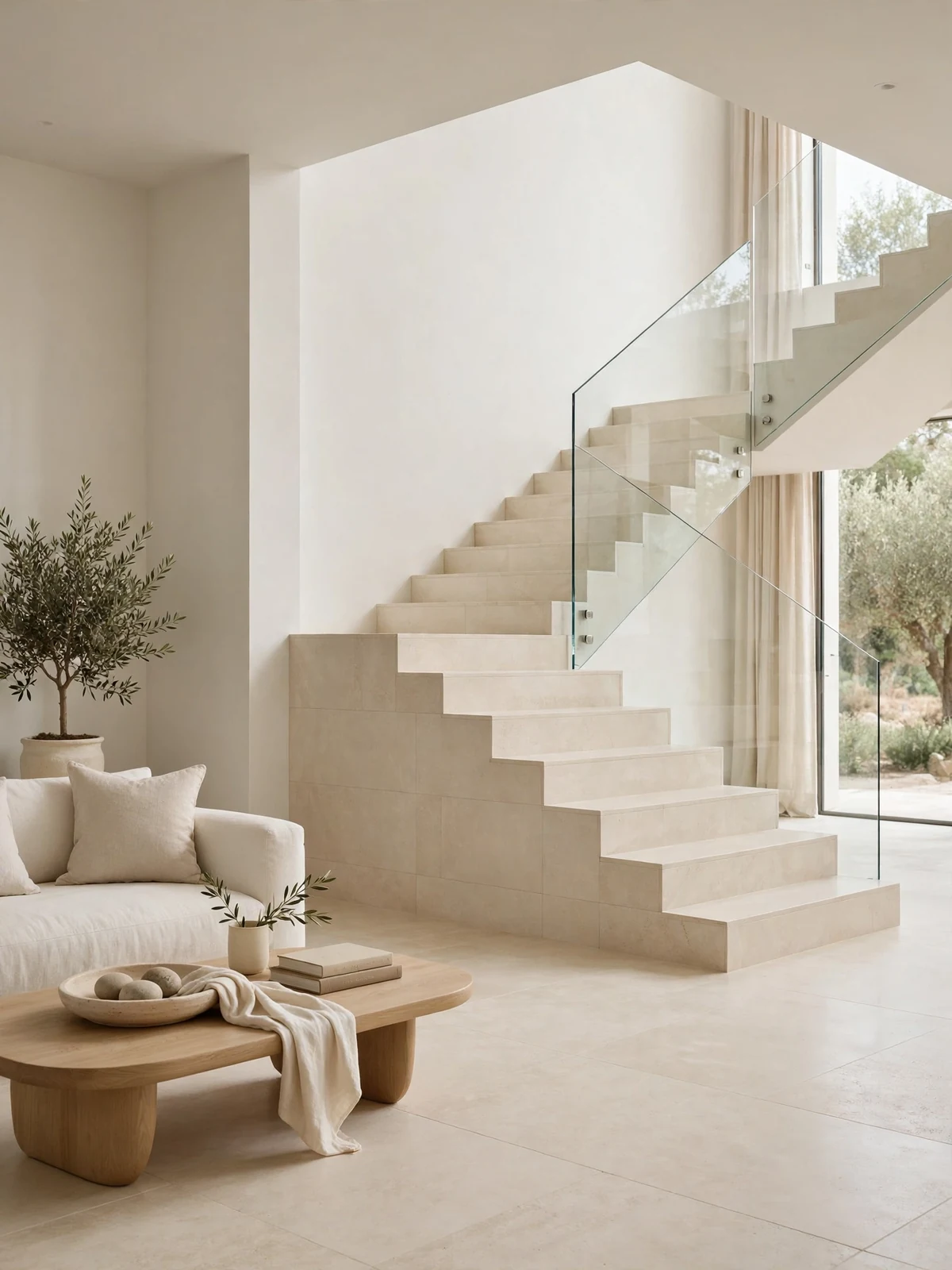
Large-format stone tiles make a stair look seamless, because the fewer the grout lines, the calmer the whole flight feels. Here, pale travertine-look porcelain tiles, 600 mm by 300 mm, cover both treads and risers with almost invisible joints, while a frameless glass balustrade keeps the stair open and a cream stone floor continues the same tones at the base. Soft white walls and gentle daylight make the travertine glow, and the whole stair feels like it was carved from one piece of stone.
Quick tips:
- Use large-format tiles — 600 mm by 300 mm or bigger — for fewer joints.
- Choose a textured stone-look finish on the treads for grip.
- Keep the balustrade frameless glass so the stone stays the feature.
- Match the grout to the tile so the joints disappear.
Terracotta Tiles for Warmth and Texture
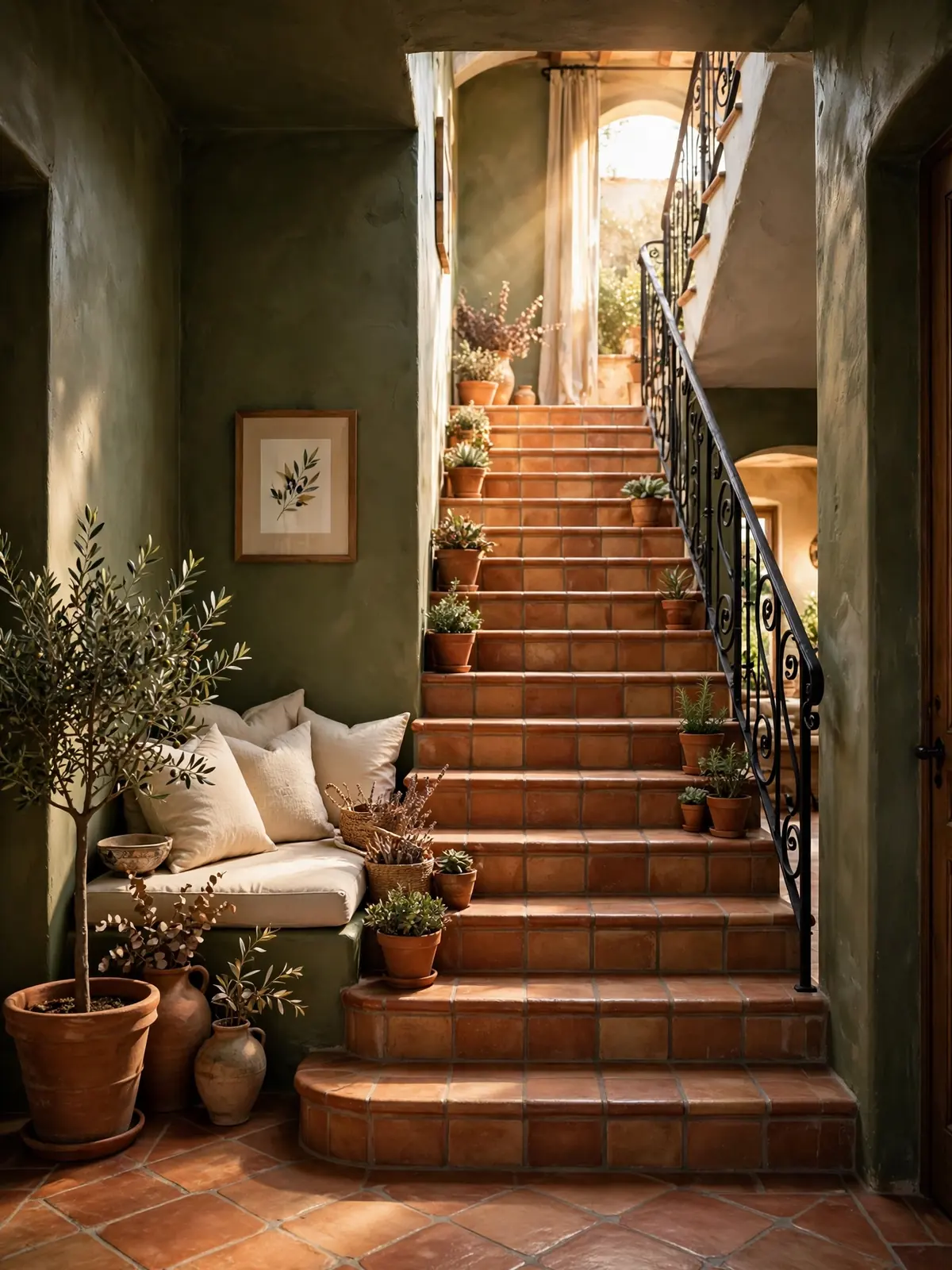
Terracotta tiles bring warmth and texture to a stair in a way no other material can, because the clay itself carries colour, variation and a soft, earthy feel underfoot that makes the whole hallway feel sun-warmed even on a grey day. On this stair, handmade-look terracotta tiles, 200 mm by 200 mm, cover the risers, while matching terracotta treads, each 950 mm wide and 280 mm deep, are sealed with a matt finish so they stay grippy and easy to clean. Deep olive-green walls make the terracotta glow by contrast, cream linen cushions on a wooden bench at the base soften the earthy tones, and a slim black wrought-iron handrail draws a crisp dark line up through the warmth. Terracotta pots with green plants sit on the landing, echoing the tile colour exactly, and golden afternoon light from the landing window warms the clay further so the whole flight feels like a Mediterranean courtyard. The secret with terracotta is the seal: an unsealed tile stains and darkens with every spill, while a properly sealed tile wipes clean and keeps its warm colour for years. Seal the tiles when they are laid, reseal them once a year, and choose a matt sealer rather than a glossy one so the tiles keep their handmade, chalky character instead of looking plastic. If your home already has terracotta pots, a terracotta floor or warm timber furniture, this is the staircase tile design that ties the whole ground floor together, and because the colour is in the clay itself rather than printed on the surface, it never fades or wears away.
Quick tips:
- Seal terracotta tiles on laying and reseal once a year.
- Choose a matt sealer so the tiles keep their handmade character.
- Pair terracotta with deep olive-green or warm cream walls.
- Use a black iron handrail for a crisp line against the warm clay.
Checkerboard Tiles for a Classic Graphic Stair
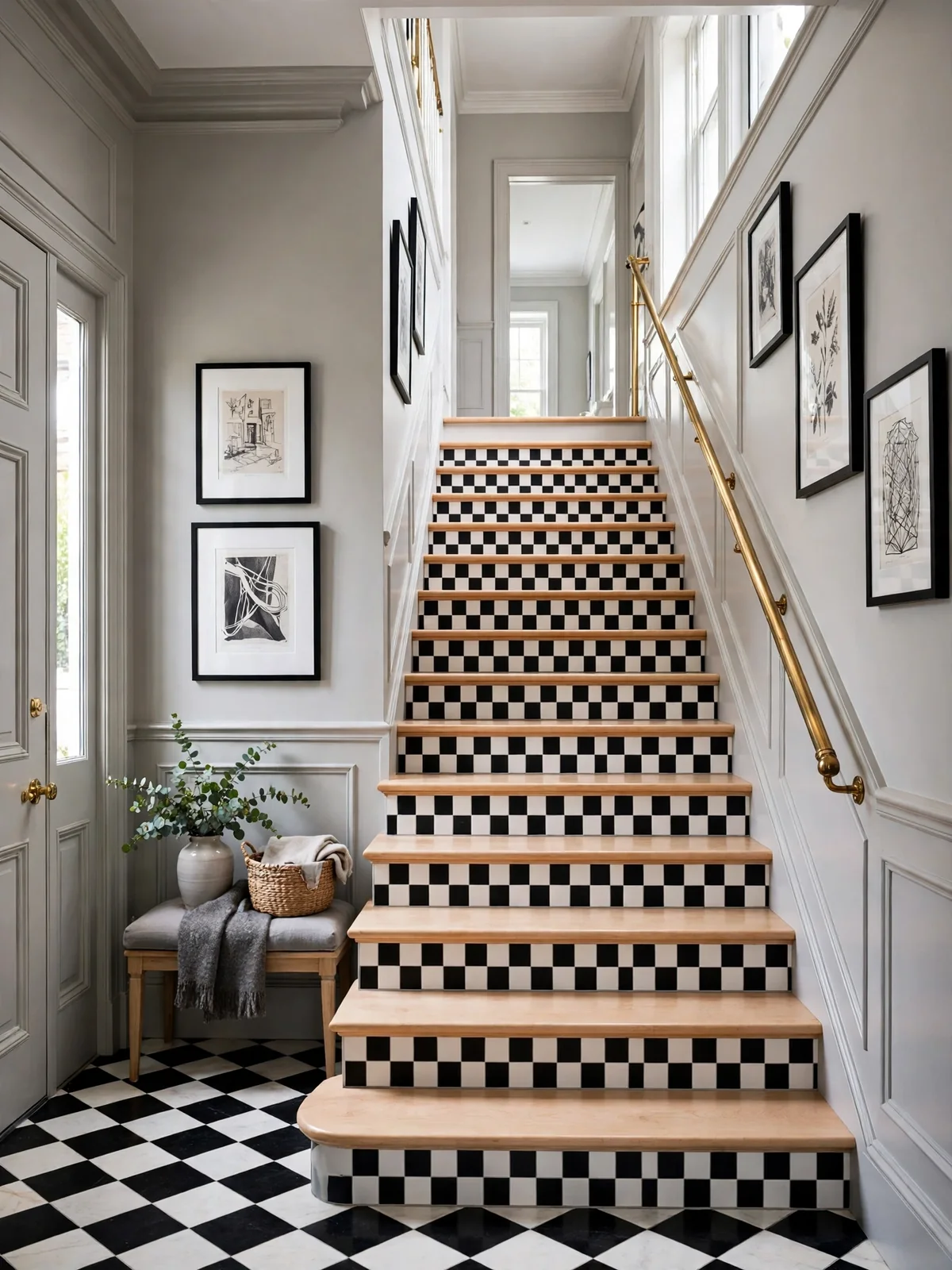
Checkerboard tiles are the classic graphic stair, and their bold black and white squares never go out of fashion. On this stair, black and white checkerboard tiles, each 150 mm square, alternate across the risers, while pale maple treads, each 950 mm wide, soften the graphic pattern above. Soft grey walls and a slim brass handrail keep the look smart, and a black and white artwork on the landing echoes the checkerboard exactly.
Quick tips:
- Alternate black and white squares exactly on every riser.
- Keep the treads pale maple so the checkerboard stays the star.
- Use a brass handrail to warm the black and white.
- Echo the checkerboard in one artwork or cushion nearby.
Zellige Tiles With a Handmade Glaze
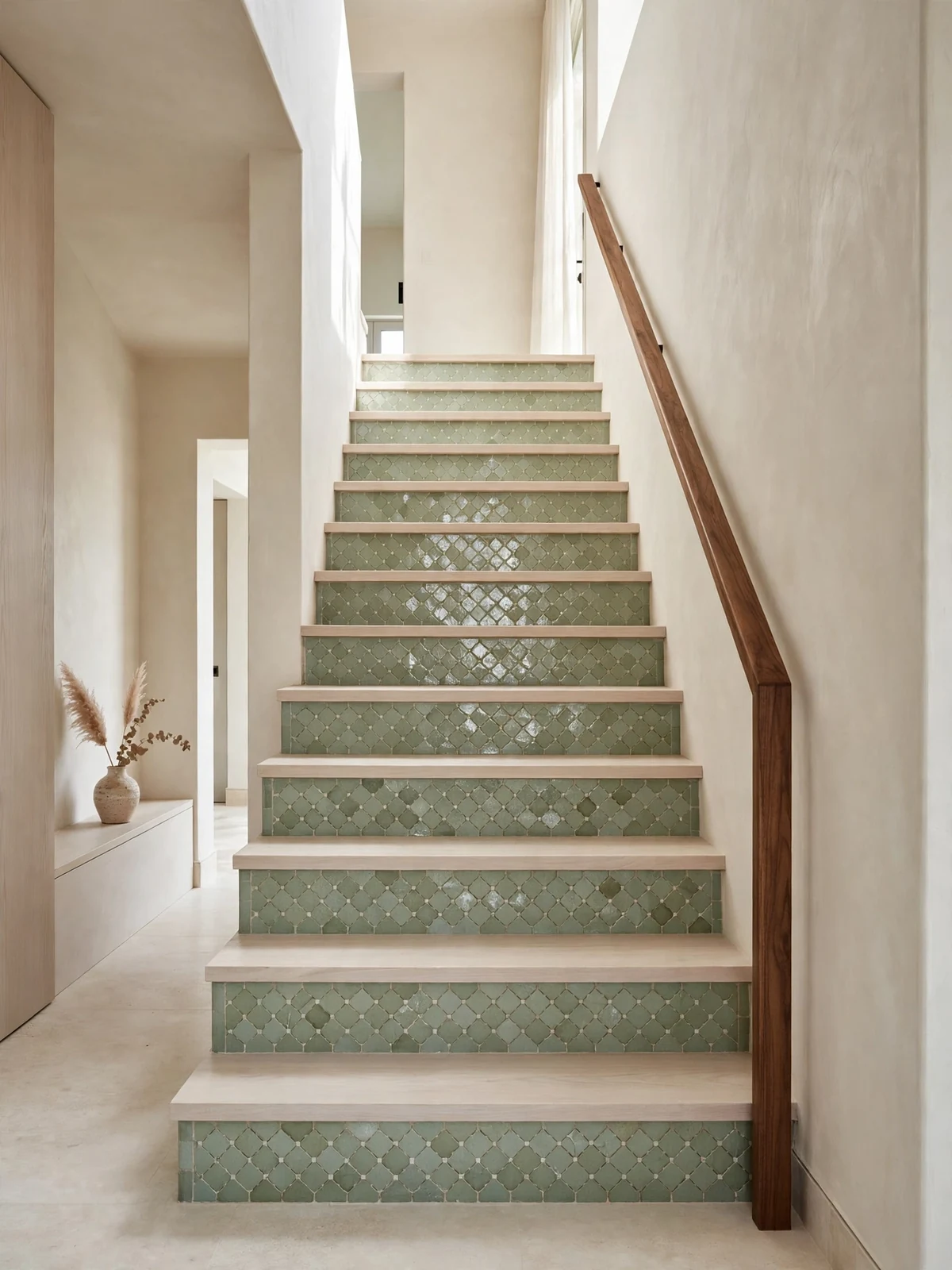
Zellige tiles bring a handmade glaze to a stair, and their uneven surface catches the light differently on every tile, so the risers shimmer softly as you climb. Here, zellige tiles in soft sage green, each 100 mm square, cover the risers beneath pale ash treads, each 900 mm wide, with the glaze varying gently from tile to tile. Cream walls and a walnut handrail keep the palette warm, and a small ceramic vase on the landing echoes the sage glaze exactly.
Quick tips:
- Choose a soft glaze colour — sage, cream or pale blue — for calm.
- Keep the treads pale ash so the handmade glaze stays the feature.
- Use a grout close to the tile colour so the glaze flows.
- Seal zellige tiles so the handmade surface stays easy to clean.
A Tiled Landing That Marks the Turn
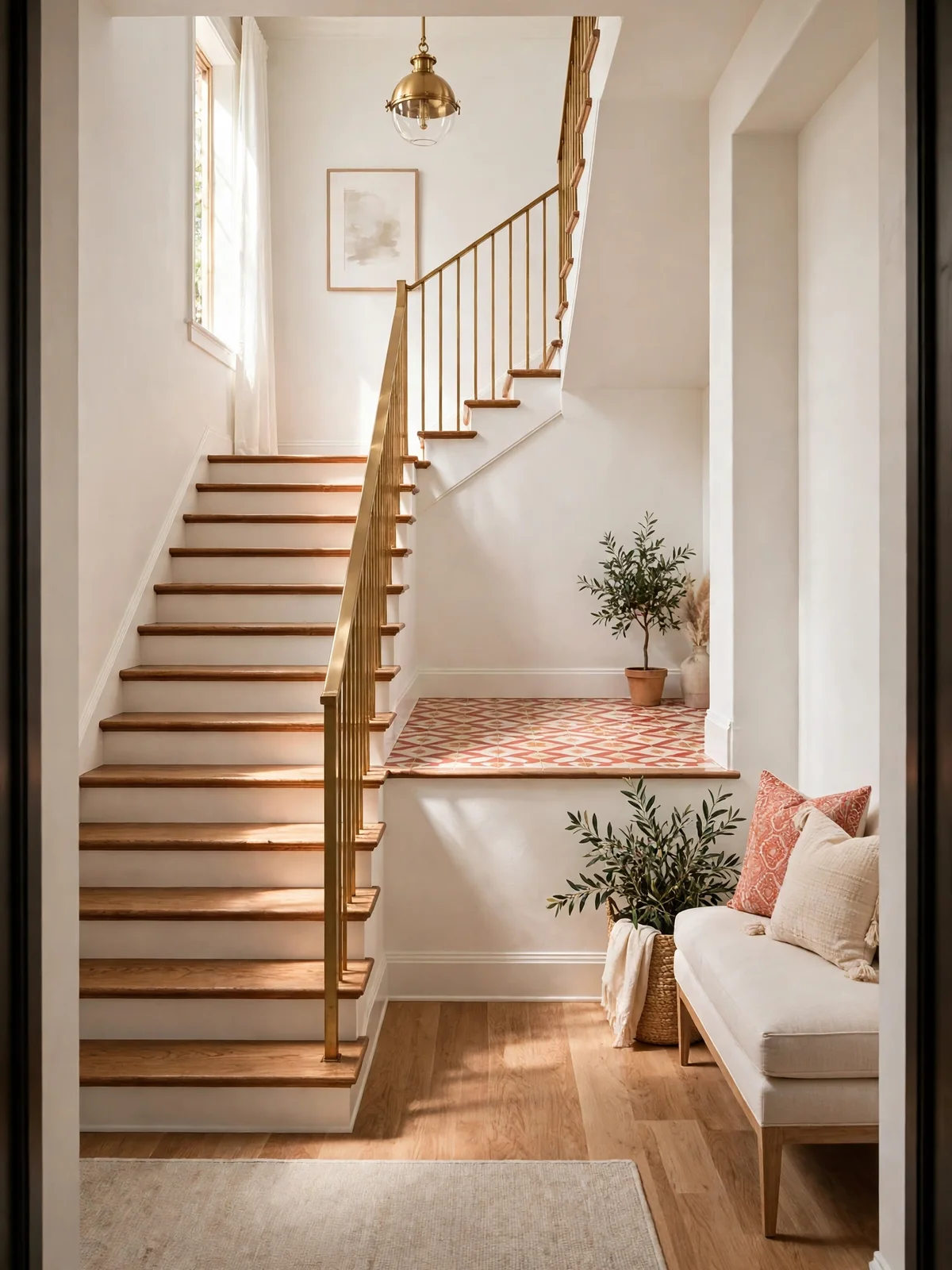
A tiled landing marks the turn between flights like a gentle pause, and because the landing is small, it can carry a bolder pattern than the rest of the stair. Here, a 1.2 metre square landing is laid with bold coral and cream patterned tiles, while warm oak treads, each 950 mm wide, rise on either side and a small brass pendant hangs above the landing. Soft white walls keep the pattern bright, and a cream bench below the landing gives the family a place to sit on the way up.
Quick tips:
- Tile the whole landing so the pattern reads as one designed moment.
- Choose a bold pattern — the landing is small enough to carry it.
- Keep the treads warm oak so the landing pattern stays the feature.
- Use a durable glazed tile that wipes clean easily.
Staircase Tile Designs Ideas That Mix Tiles and Timber on One Stair
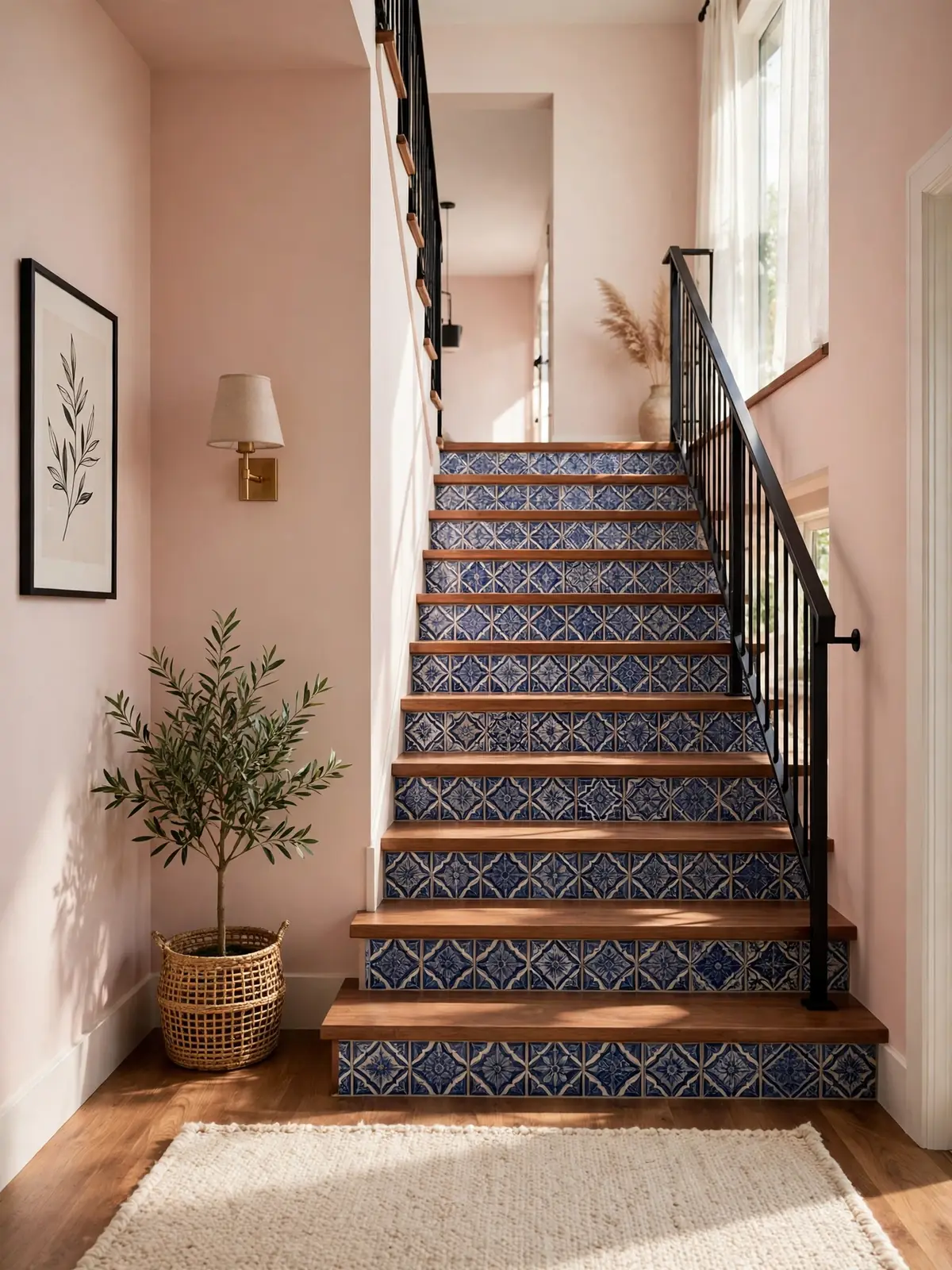
Mixing tiles and timber on one stair gives you the best of both materials — the pattern and durability of tile on the risers, and the warmth and grip of timber underfoot. On this stair, patterned navy tiles, each 150 mm square, cover the risers, while warm walnut treads, each 950 mm wide, sit above them with a slim black steel handrail running the full flight. Soft blush-pink walls and a cream rug below warm the navy, and because the timber and the tile meet at a clean line on every step, the whole stair reads as one intentional design rather than two competing ideas.
Quick tips:
- Put the pattern on the risers and keep the treads in timber.
- Choose a tile colour that suits the timber tone — navy with walnut, sage with oak.
- Keep the handrail slim black steel for a modern line.
- Match one tile colour to the wall for a pulled-together look.
FAQs
What tiles are best for staircase risers?
Porcelain tiles are best for risers, because they are hard, durable and easy to clean. A 150 mm or 200 mm square porcelain tile fits a standard 175 mm riser neatly, and a glazed finish wipes clean in seconds. Patterned, Moroccan, encaustic-style and hand-painted porcelain tiles all work beautifully on risers, where slipperiness does not matter.
Can I tile over my existing staircase?
In many cases, yes — a tiler can lay tiles directly over sound timber or concrete risers, provided the surface is clean, flat and primed. Treads need more care: the existing tread must be solid, level and able to take the extra thickness without changing the step height unevenly. Ask a tiler to check the stair first, because uneven step heights are a trip hazard.
How do I stop tiled stairs from looking cold?
Pair the tiles with warm materials: timber treads, a walnut or brass handrail, warm wall colours and a soft rug or runner at the base. Warm tile colours — terracotta, greige, beige stone — also help, as does warm lighting from wall sconces or a pendant above the landing. A fully tiled stair in cool grey with no timber will always feel colder than one with wood in the mix.
Do tiled stairs add value to a home?
A well-tiled stair adds visual value because it turns a plain flight into a designed feature, especially in an entryway where first impressions matter. Patterned risers, marble-look walls and a tiled landing photograph beautifully and make a listing stand out. The value comes from the design, not the tile alone — a badly laid or slippery tiled stair will put buyers off rather than impress them.
How much tile do I need for a staircase?
For risers only, a standard flight of 13 risers needs roughly 2 to 3 square metres of tile, depending on the stair width and the tile size. Measure each riser, multiply by the stair width, add 10 percent for cuts and breakages, and buy one spare box. For fully tiled treads and risers, double that figure and add a little more, because tread cuts waste more tile.
Conclusion
Staircase tile designs ideas are not about covering every step in tile — they are about choosing where the tile earns its place. Whether you pattern the risers in Moroccan tiles, calm the stair with beige stone, glow it with glossy glaze, warm it with terracotta, or mix patterned tiles with timber treads, the best tiled stair balances beauty with grip, pattern with calm, and durability with warmth. Start with the risers, choose one strong pattern, keep the treads safe underfoot, and your stair will make every room it touches feel more designed, more durable and more beautiful.